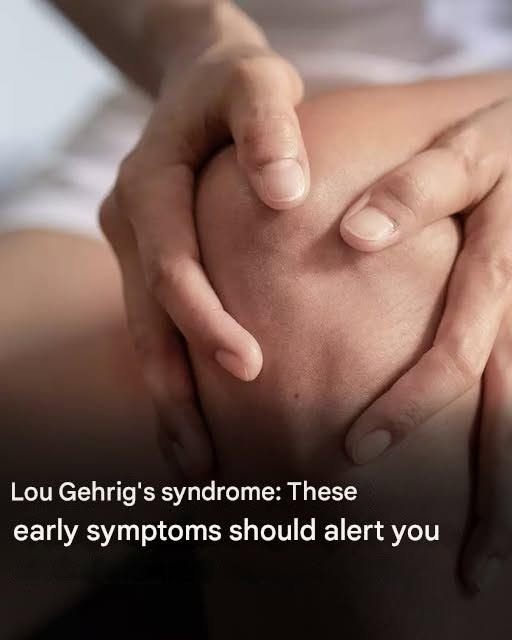
Lou Gehrig’s Disease (ALS): Here Are the First Symptoms to Watch For 🧠
Lou Gehrig’s disease, also known as amyotrophic lateral sclerosis (ALS), is a progressive neurological condition that affects nerve cells responsible for controlling voluntary muscle movement.
Early symptoms can be subtle and may vary from person to person. Some common early signs include:
🦵 Muscle weakness
- Weakness in a hand, arm, leg, or foot
- Trouble with everyday tasks like buttoning clothes, writing, or gripping objects
💪 Muscle twitching (fasciculations)
- Small, involuntary muscle movements, often noticed in the arms, legs, shoulders, or tongue
🖐️ Loss of coordination
- Dropping objects more often
- Difficulty with fine movements or balance
🗣️ Changes in speech or swallowing
- Slurred speech
- Difficulty speaking clearly
- Trouble swallowing in some cases
😴 Muscle stiffness or cramps
- Increased tightness, stiffness, or painful muscle spasms
⚖️ Unexplained weight loss
- Can occur due to muscle loss or difficulty eating
Important to know:
These symptoms do not automatically mean someone has ALS. Many other conditions can cause similar problems, including nerve compression, vitamin deficiencies, injuries, or other neurological disorders.
A medical evaluation is important if symptoms are persistent, worsening, or affecting daily activities. Early assessment can help identify the cause and guide appropriate care.
If you notice new, progressive muscle weakness or unexplained changes in movement or speech, speak with a healthcare professional.