Signs of Vitamin B12 Deficiency You Should Never Ignore ⚠️
Vitamin B12 is an essential nutrient that helps your body make healthy red blood cells, maintain nerve function, and produce DNA. When levels are too low, symptoms can develop slowly and may be easy to overlook.
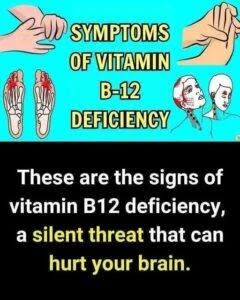
Common signs of vitamin B12 deficiency include:
😴 Persistent tiredness and weakness
Low B12 can affect red blood cell production, which may reduce oxygen delivery throughout the body.
🖐️ Tingling or numbness
A “pins and needles” feeling in the hands, feet, or legs can occur when nerves are affected.
🧠 Memory problems or difficulty concentrating
Some people experience brain fog, confusion, or trouble focusing.
😕 Mood changes
Low B12 levels may be associated with irritability, low mood, or changes in mental well-being.
👅 Sore or swollen tongue
A smooth, red, painful tongue can be a sign of deficiency.
⚖️ Loss of appetite or unexplained weight loss
Digestive changes and reduced appetite may occur.
🚶 Balance problems or muscle weakness
Nerve involvement can affect coordination and movement.
💨 Pale skin or shortness of breath
B12 deficiency can contribute to certain types of anemia.
Who may be at higher risk?
• Older adults
• People with absorption problems
• Those with certain stomach or intestinal conditions
• People who follow a strict vegan diet without B12 supplementation
• Those taking certain medications that affect B12 absorption
What to do:
If you suspect a deficiency, a healthcare professional can check your vitamin B12 levels with a blood test and recommend the appropriate treatment.
⚠️ Do not start high-dose supplements without advice if you have health conditions or take medications—finding the cause of a deficiency is important.
Early recognition and treatment can help prevent complications, especially nerve-related problems.