Why skin changes with age
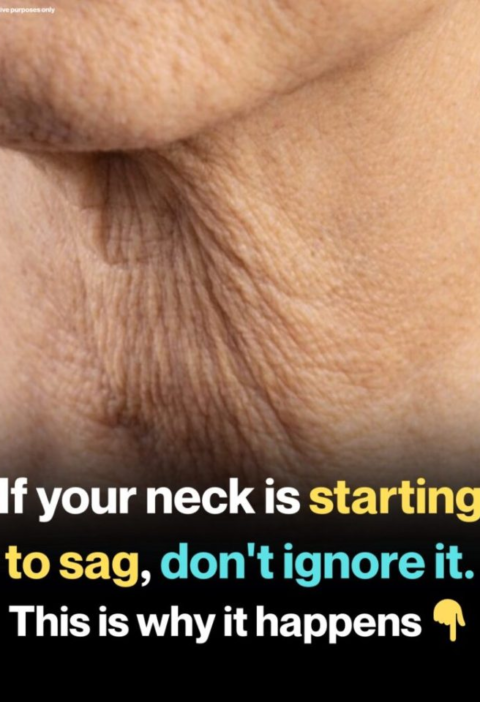
As we get older, skin naturally:
- Produces less oil (sebum)
- Becomes thinner and more fragile
- Holds less moisture
- Repairs itself more slowly
Because of these changes, frequent washing can sometimes remove protective oils and weaken the skin barrier.
Possible downsides of showering too often
1. Dry, itchy skin
Hot water and frequent soap use can strip away natural oils, leading to:
- Dryness
- Flaking
- Tight-feeling skin
- Itching
2. Increased irritation
Older skin may be more sensitive to:
- Strong fragrances
- Harsh cleansers
- Scrubbing
- Very hot water
3. Worsening of certain skin conditions
Frequent washing may aggravate problems such as:
- Eczema
- Sensitive skin
- Irritant dermatitis
4. Longer recovery from skin damage
Because aging skin can be more delicate, irritation, small cracks, or dryness may take longer to improve.
How often should older adults shower?
There is no universal rule. Many people do well with:
- Showering every day if their skin tolerates it
- Showering every other day or a few times per week if they have dry or sensitive skin
- Washing key areas more frequently, such as:
- Armpits
- Groin
- Feet
- Areas that sweat
Tips for healthier showers after 65
✅ Use warm water instead of very hot water
✅ Keep showers relatively short
✅ Use gentle, fragrance-free cleansers
✅ Avoid vigorous scrubbing
✅ Apply moisturiser after bathing while skin is still slightly damp
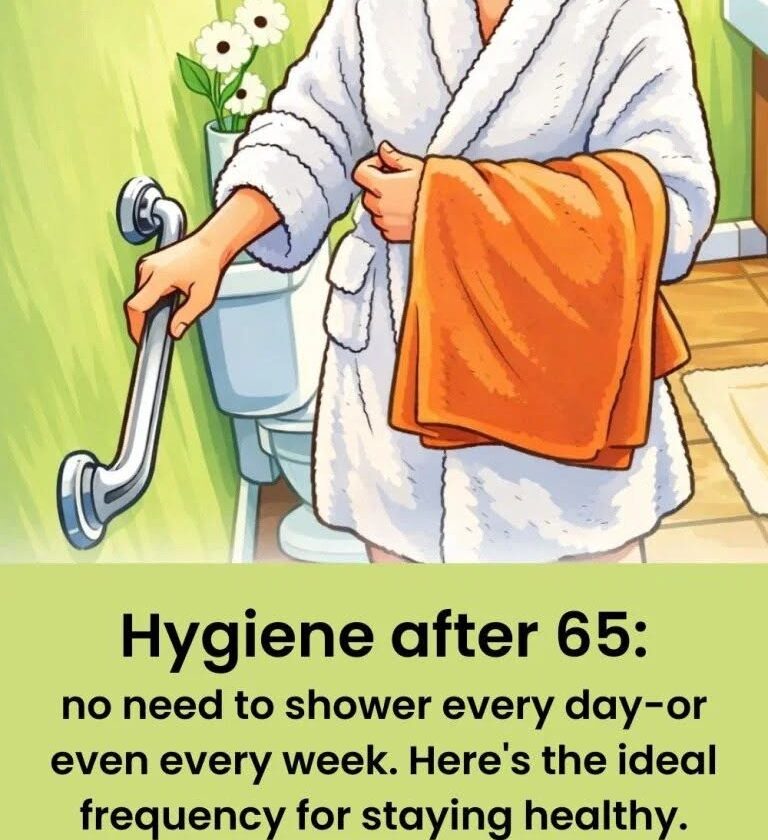
✅ Consider a shower seat or grab bars if balance is a concern
When to talk to a healthcare professional
Seek advice if you develop:
- Persistent itching
- Cracked or bleeding skin
- New rashes
- Signs of infection (redness, warmth, swelling, pus)
- Sudden changes in skin condition
Bottom line: Aging skin often needs a gentler approach, but daily showers are not automatically harmful after 65. The best routine depends on your skin, lifestyle, health, and environment. The goal is to stay clean while protecting the skin’s natural barrier.