What Is Blood Pressure?
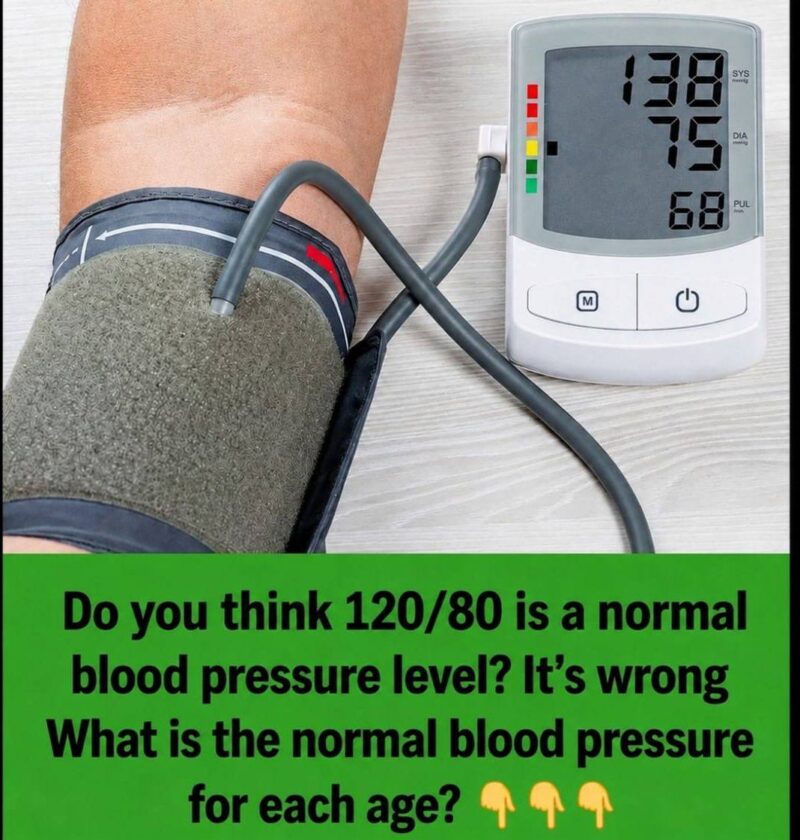
Blood pressure is the force of blood pushing against the walls of your arteries as your heart pumps. It is measured using two numbers:
- Systolic pressure (top number): pressure when the heart beats
- Diastolic pressure (bottom number): pressure when the heart rests between beats
A reading is written as systolic/diastolic, such as 120/80 mmHg.
Blood pressure naturally changes throughout life, but age alone does not determine what is considered healthy.
Is There a Different “Normal” Blood Pressure for Every Age?
A common misconception is that blood pressure should automatically rise with age and that higher readings are normal for older adults.
Modern medical guidelines generally aim for healthy blood pressure levels regardless of age, although treatment decisions may be individualized based on overall health, medical conditions, and medications.
In general:
| Category | Blood Pressure Reading |
|---|---|
| Normal | Less than 120/80 mmHg |
| Elevated | 120–129 systolic and less than 80 diastolic |
| High Blood Pressure (Stage 1) | 130–139 systolic or 80–89 diastolic |
| High Blood Pressure (Stage 2) | 140/90 mmHg or higher |
| Hypertensive Crisis | Higher than 180/120 mmHg |
Typical Blood Pressure Ranges by Age
While the goal remains similar across adulthood, average readings often vary slightly by age.
Children (6–12 Years)
Normal values depend on:
- Age
- Height
- Sex
Healthcare providers use pediatric charts rather than a single number.
Teenagers (13–17 Years)
Many healthy teenagers have readings near:
- 110–120 systolic
- 65–80 diastolic
Persistent elevations should be medically evaluated.
Young Adults (18–39 Years)
A healthy target is generally:
- Less than 120/80 mmHg
Many healthy adults fall within:
- 90–120 systolic
- 60–80 diastolic
Adults (40–59 Years)
The ideal target usually remains:
- Less than 120/80 mmHg
However, elevated blood pressure becomes more common due to:
- Weight gain
- Stress
- Reduced physical activity
- Family history
Older Adults (60+ Years)
Many older adults maintain healthy readings below:
- 130/80 mmHg
Healthcare providers may individualize goals depending on:
- Frailty
- Medication tolerance
- Heart disease risk
- Other medical conditions
Why Blood Pressure Matters
Long-term uncontrolled blood pressure increases the risk of:
- Heart Disease
- Stroke
- Chronic Kidney Disease
- Vision problems
- Vascular complications
Regular monitoring helps identify issues before symptoms appear.
Factors That Affect Blood Pressure
Blood pressure can change throughout the day based on:
Physical Activity
Exercise temporarily raises blood pressure during activity.
Stress
Emotional stress may cause temporary increases.
Sleep Quality
Poor sleep is linked to higher blood pressure over time.
Diet
Excess sodium intake may contribute to elevated readings.
Hydration
Dehydration can influence blood pressure levels.
Medications
Some medications can raise or lower blood pressure.
How to Measure Blood Pressure Correctly
For the most accurate reading:
- Rest quietly for 5 minutes.
- Sit with your back supported.
- Keep feet flat on the floor.
- Support your arm at heart level.
- Avoid caffeine, smoking, and exercise for at least 30 minutes beforehand.
Taking multiple readings over several days provides a better picture than a single measurement.
Healthy Habits That Support Normal Blood Pressure
Stay Physically Active
Regular movement helps support cardiovascular health.
Eat a Balanced Diet
Focus on:
- Fruits
- Vegetables
- Whole grains
- Lean proteins
Limit Excess Sodium
Reducing highly processed foods may help maintain healthy blood pressure.
Maintain a Healthy Weight
Weight management supports heart and vascular health.
Manage Stress
Relaxation techniques, exercise, and adequate sleep can be beneficial.
When to Seek Medical Advice
Consult a healthcare professional if:
- Repeated readings are above 130/80 mmHg
- You experience dizziness or fainting
- Blood pressure changes suddenly
- Readings exceed 180/120 mmHg (seek urgent medical attention)
Final Thoughts
There is no separate “perfect” blood pressure for each age group. Modern health guidelines generally consider less than 120/80 mmHg to be optimal for most adults, while treatment goals may be adjusted based on individual circumstances.
Regular monitoring, healthy lifestyle habits, and routine medical care remain the best ways to support long-term cardiovascular health.
Sources
- American Heart Association
- Centers for Disease Control and Prevention
- National Heart Lung and Blood Institute
- World Health Organization
Part 2: Quick Blood Pressure Reference Chart
Healthy Adult Blood Pressure
| Category | Reading |
|---|---|
| Normal | Less than 120/80 mmHg |
| Elevated | 120–129 / Less than 80 |
| Stage 1 High | 130–139 / 80–89 |
| Stage 2 High | 140/90 or higher |
| Crisis | Over 180/120 |
Daily Blood Pressure Tips
- Exercise regularly
- Limit excess salt
- Stay hydrated
- Maintain healthy weight
- Sleep 7–9 hours nightly
- Monitor blood pressure routinely
Reminder
A single reading does not diagnose high blood pressure. Consistent measurements and professional medical evaluation provide the most accurate assessment.