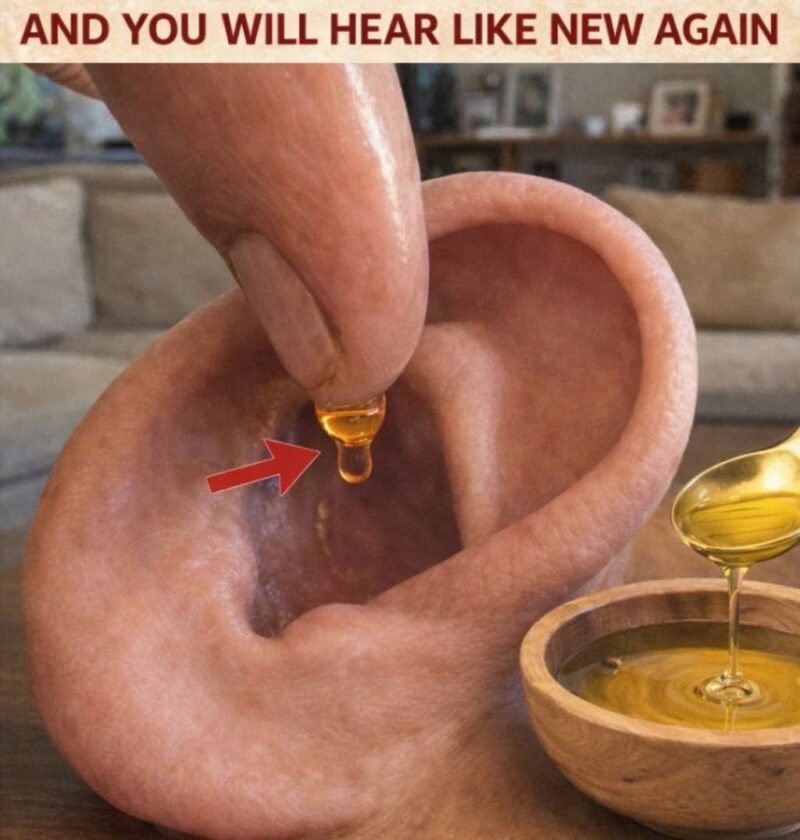
“Put 4 Drops in Your Ear and You Will Hear Like New Again!” – Fact or Fiction?
Claims that “just 4 drops in your ear will restore your hearing” are misleading. There is no ear drop that can safely and reliably restore hearing loss caused by ageing, noise damage, nerve problems, or many other ear conditions.
The right treatment depends on why your hearing has changed.
When Ear Drops May Help
Ear drops can be useful in certain situations, such as:
- Earwax buildup: Softening drops may help loosen wax, making it easier to remove.
- Swimmer’s ear (outer ear infection): Prescription antibiotic or antiseptic ear drops may be recommended by a healthcare professional.
- Inflammation: Some prescription drops contain corticosteroids to reduce swelling.
These treatments only work for specific conditions—they do not restore hearing from all causes.
When Ear Drops Will Not Help
Ear drops are unlikely to improve hearing loss caused by:
- Age-related hearing loss
- Noise-induced hearing damage
- Damage to the hearing nerve
- Most problems involving the middle or inner ear
These conditions usually require medical evaluation and different treatments.
Never Put Unapproved Substances in Your Ear
Avoid putting household products into your ear, including:
- Olive oil (unless specifically advised)
- Hydrogen peroxide without guidance
- Garlic oil
- Essential oils
- Vinegar
- Alcohol
These can irritate the ear canal or worsen an existing problem, especially if you have a perforated eardrum or an infection.
When to See a Doctor
Arrange a medical assessment if you have:
- Sudden hearing loss (especially in one ear)
- Ear pain
- Fluid or pus draining from the ear
- Ringing in the ears (tinnitus) that is new or severe
- Dizziness or vertigo
- Hearing that continues to worsen
Sudden hearing loss is a medical emergency and should be assessed as soon as possible, ideally within 24 hours, because prompt treatment may improve the chance of recovery.
Tips for Protecting Your Hearing
- Avoid prolonged exposure to loud noise.
- Wear hearing protection in noisy environments.
- Don’t insert cotton buds or other objects into your ears.
- Have your hearing checked if you notice persistent changes.