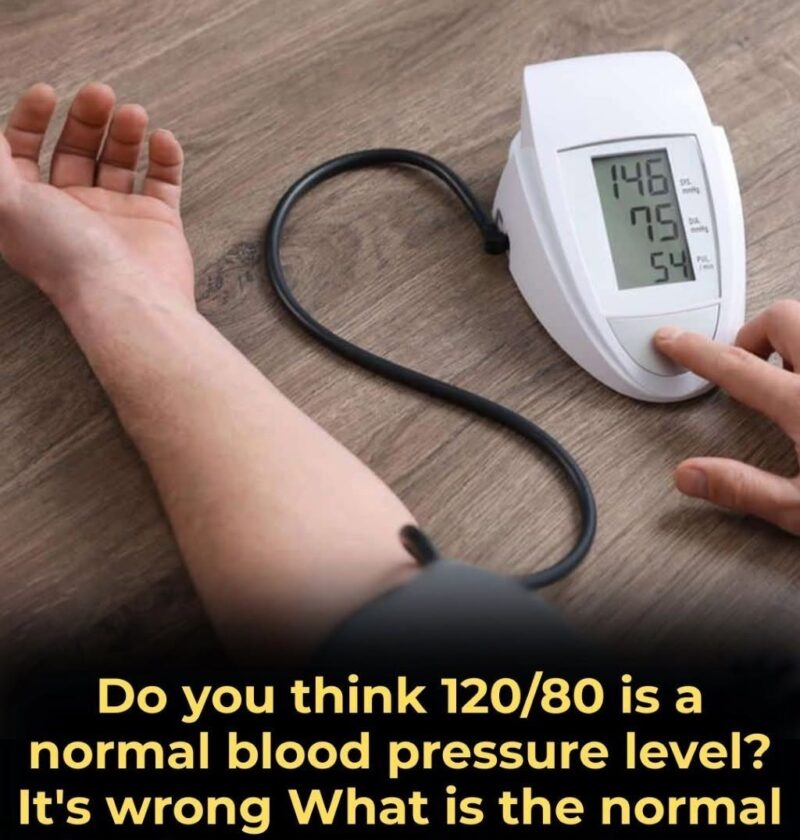
A common myth is that there is a different “normal” blood pressure for every age. In fact, for most adults, the same blood pressure targets are generally used regardless of age, although treatment decisions are individualized based on overall health and other conditions.
Blood pressure categories for adults (18 years and older)
| Category | Systolic (top number) | Diastolic (bottom number) |
|---|---|---|
| Normal | Less than 120 | Less than 80 |
| Elevated | 120–129 | Less than 80 |
| High blood pressure (Stage 1) | 130–139 | 80–89 |
| High blood pressure (Stage 2) | 140 or higher | 90 or higher |
| Hypertensive crisis* | 180 or higher | 120 or higher |
*A hypertensive crisis requires prompt medical evaluation, especially if accompanied by symptoms such as chest pain, severe headache, shortness of breath, vision changes, or confusion.
What about age?
- Children and teenagers: Normal blood pressure depends on age, sex, and height, so healthcare professionals use specialized charts rather than a single cutoff.
- Adults (18+): A reading below 120/80 mmHg is generally considered normal, regardless of age.
- Older adults: Blood pressure often rises with age, but that does not mean higher readings are considered normal. Treatment goals may be adjusted for some older adults based on frailty, medications, and other medical conditions.
Tips for an accurate reading
- Rest quietly for at least 5 minutes before measuring.
- Sit with your back supported and feet flat on the floor.
- Keep your arm supported at heart level.
- Avoid caffeine, smoking, and exercise for about 30 minutes beforehand.
- Take two readings 1 minute apart and record both.
If you tell me your age and your blood pressure reading (for example, 128/78 or 145/92), I can help explain what that reading means and whether it falls within a normal or elevated range.