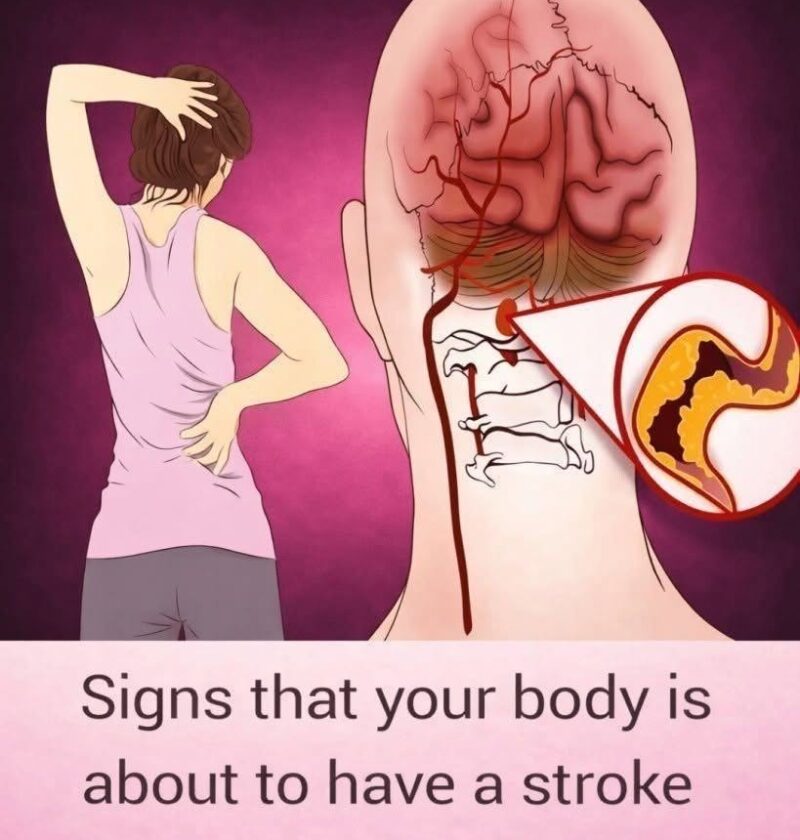
10 Early Warning Signs of a Stroke Everyone Should Know to Take Prompt Action
A stroke happens when blood flow to part of the brain is blocked (ischemic stroke) or when a blood vessel in the brain bursts (hemorrhagic stroke). Because brain cells can be damaged quickly when oxygen is cut off, recognizing symptoms and getting emergency help immediately can make a major difference.
A helpful way to remember common warning signs is FAST:
- F — Face drooping: One side of the face may feel weak or numb. Ask the person to smile—does one side droop?
- A — Arm weakness: One arm may become weak or numb. Ask the person to raise both arms—does one drift downward?
- S — Speech difficulty: Speech may become slurred, strange, or difficult to understand.
- T — Time to call emergency services: Do not wait to see if symptoms improve.
10 Warning Signs of a Stroke
1. Sudden Face Drooping or Facial Numbness
A person may notice:
- A crooked smile
- Numbness on one side of the face
- Difficulty controlling facial muscles
2. Sudden Weakness or Numbness in an Arm or Leg
Stroke-related weakness often affects one side of the body.
Signs may include:
- Trouble lifting an arm
- A leg suddenly feeling heavy
- Loss of coordination
3. Sudden Trouble Speaking or Understanding Speech
A stroke can affect language abilities.
Watch for:
- Slurred speech
- Trouble finding words
- Confusion during conversation
- Difficulty understanding others
4. Sudden Vision Problems
Possible symptoms:
- Blurred vision
- Loss of vision in one or both eyes
- Double vision
5. Sudden Severe Headache
A sudden, intense headache—especially one described as the “worst headache ever”—can be a warning sign, particularly if it occurs with other symptoms.
6. Sudden Dizziness, Loss of Balance, or Trouble Walking
A person may experience:
- Difficulty standing
- Loss of coordination
- Unsteady walking
- A spinning sensation
7. Sudden Confusion
Someone may:
- Become disoriented
- Have trouble understanding simple questions
- Seem unusually confused or unaware of their surroundings
8. Sudden Trouble Swallowing
Stroke can affect the muscles involved in swallowing, causing:
- Coughing while eating or drinking
- Choking
- A change in voice
9. Sudden Numbness or Tingling
Unexpected loss of sensation—especially on one side of the body—should be taken seriously.
10. Sudden Loss of Coordination or Control
This may appear as:
- Dropping objects
- Difficulty performing familiar movements
- Poor balance or clumsiness