New Methods May Make Colon Cancer Screening Less Invasive: What You Should Know
For decades, a colonoscopy has been one of the most effective tools for detecting colorectal cancer and removing precancerous polyps. However, it is considered an invasive procedure because it involves inserting a flexible camera into the colon, usually after bowel preparation and often with sedation.
Newer screening approaches are being developed and improved that may offer less invasive alternatives for some people. These methods do not necessarily replace colonoscopy in every situation, but they may make screening easier and more accessible.
1. Stool-Based DNA Tests
One newer approach analyzes a stool sample for:
- DNA changes linked to colorectal cancer
- Blood markers associated with abnormal growths
Advantages:
- No procedure
- Can be done at home
- No sedation required
Limitations:
- A positive result usually requires a follow-up colonoscopy.
- It may not detect every precancerous polyp.
2. Blood-Based Screening Tests
Researchers are studying blood tests that look for signals released by cancer cells, such as:
- Altered DNA fragments
- Other biological markers
These tests aim to make screening as simple as a routine blood draw.
However, many blood-based approaches are still being evaluated, and their ability to detect early disease continues to improve.
3. Advanced Imaging Techniques
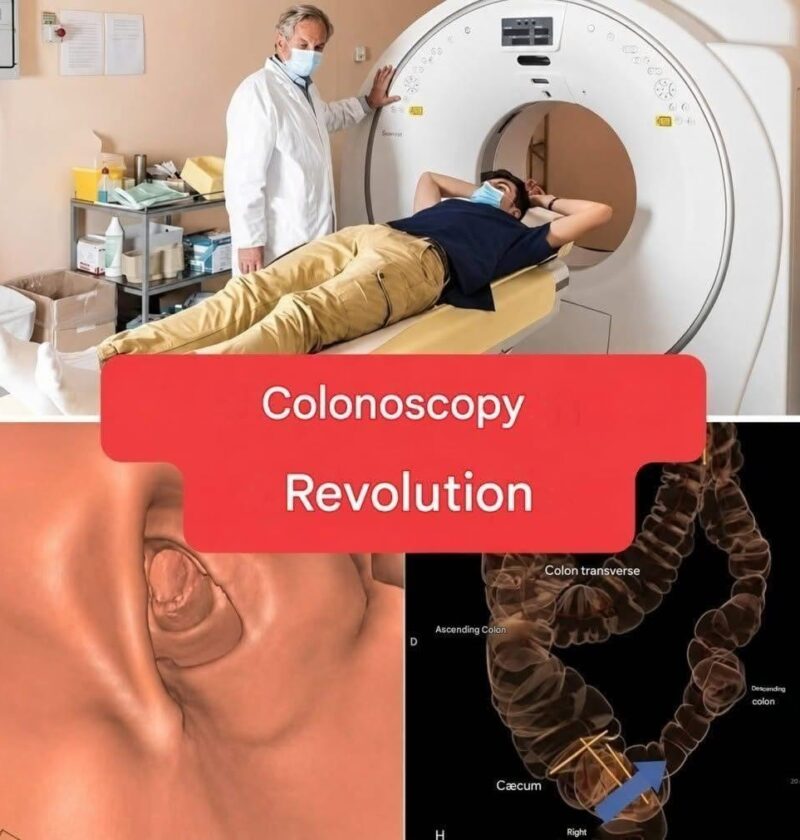
Imaging-based approaches, such as virtual colonoscopy (CT colonography), create detailed images of the colon without inserting a traditional scope.
Potential benefits:
- Less invasive
- No sedation in many cases
Limitations:
- Still requires bowel preparation
- If polyps are found, a traditional colonoscopy may still be needed for removal