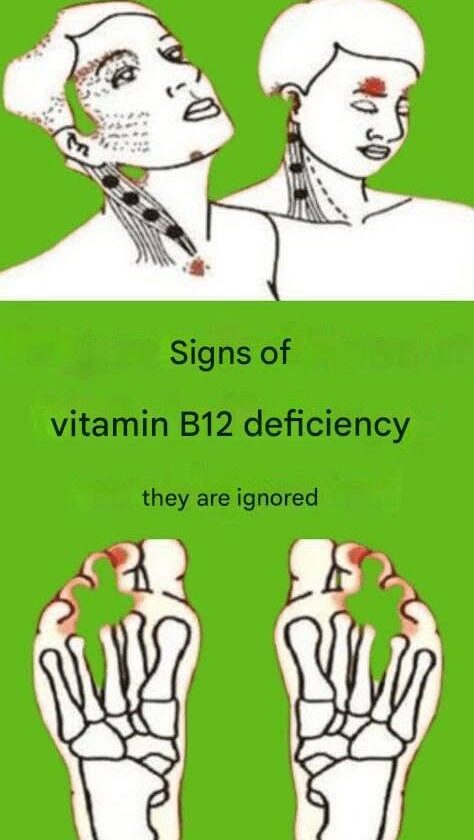
Vitamin B12 deficiency can develop slowly, and some signs are easy to dismiss as “just aging,” stress, or being tired. Because B12 is important for red blood cell production, nerve function, and brain health, a long-term deficiency can cause significant problems if untreated.
Common signs of vitamin B12 deficiency that people may ignore
1. Persistent tiredness or weakness
Why it happens: Low B12 can lead to anemia, reducing the blood’s ability to carry oxygen.
Often mistaken for: Normal aging, poor sleep, or being overworked.
2. Numbness, tingling, or “pins and needles”
Why it happens: B12 is needed to maintain healthy nerves.
Common areas:
- Hands
- Feet
- Legs
3. Balance problems or trouble walking
Why it happens: Nerve damage from prolonged deficiency can affect coordination and stability.
4. Memory problems or difficulty concentrating
Why it happens: B12 plays a role in normal brain and nervous system function.
Possible signs:
- Forgetfulness
- “Brain fog”
- Confusion
5. Mood changes
Some people experience:
- Irritability
- Low mood
- Anxiety-like symptoms
6. Pale skin or a sore tongue
Possible signs include:
- Pale or yellowish skin
- A smooth, red, painful tongue
- Mouth sores
7. Changes in vision
Rarely, severe untreated deficiency can affect the optic nerve and cause vision changes.
Who is more at risk?
- Adults over 60
- People with low intake of animal products (unless using fortified foods or supplements)
- People with absorption problems (such as certain stomach or intestinal conditions)
- People taking some medications, including long-term metformin or acid-reducing medicines (risk varies by person)
When to get checked
Ask a healthcare professional about a B12 test if you have:
- Unexplained fatigue
- Numbness or tingling
- Balance problems
- Memory changes
- Anemia that has no clear cause