Your Kidneys May Be Sending Warning Signals: 5 Signs You Shouldn’t Ignore
The phrase “before dialysis takes over your life” is designed to create alarm, but kidney disease often develops gradually, and many people have few symptoms in the early stages. Dialysis is only needed for some people with advanced kidney failure—not simply because a few symptoms appear.
Your kidneys help remove waste, balance fluids, regulate blood pressure, and support healthy blood cells. When kidney function declines, certain warning signs may appear.
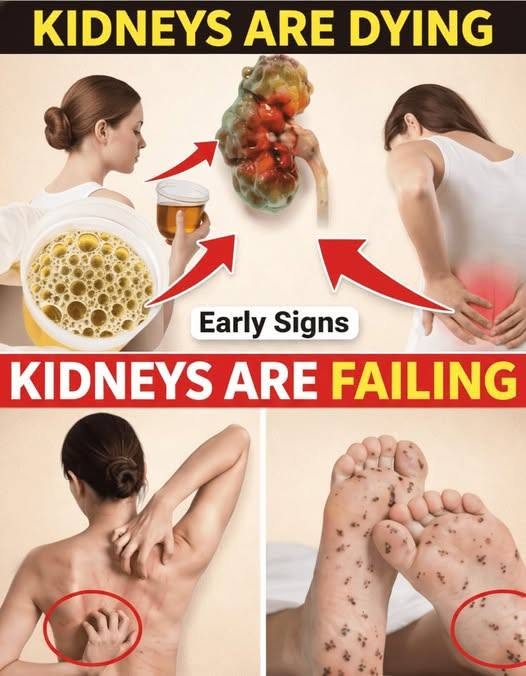
5 possible signs of kidney problems
1. Changes in urination
Watch for:
- Urinating much more or less than usual
- Frequent nighttime urination
- Difficulty starting urination
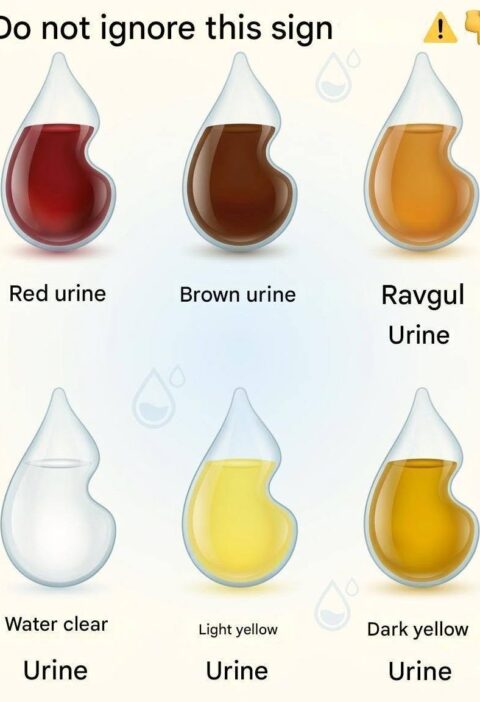
- Changes in urine appearance
2. Swelling in the legs, ankles, or around the eyes
When kidneys cannot remove extra fluid effectively, fluid may build up and cause puffiness.
3. Unusual tiredness or weakness
Reduced kidney function can contribute to anemia and the buildup of waste products, which may lead to low energy.
4. Persistent itching or dry skin
Mineral and waste imbalances associated with kidney disease can sometimes cause ongoing itching.
5. Nausea, poor appetite, or a bad taste in the mouth
These symptoms are more often seen in more advanced kidney problems, but they should be evaluated if persistent.
Other signs that may need attention
- Foamy urine (which may indicate protein in the urine)
- Blood in urine
- High blood pressure
- Shortness of breath
- Trouble concentrating
- Muscle cramps
Who is at higher risk of kidney disease?
Risk is increased by:
- Diabetes
- High blood pressure
- Heart disease
- Family history of kidney disease
- Smoking
- Certain medications or frequent use of some pain relievers
- Older age
How to protect your kidneys
✅ Keep blood pressure and blood sugar controlled.
✅ Stay active and maintain a healthy weight.
✅ Avoid smoking.
✅ Use pain medicines only as directed.
✅ Get kidney tests if you have risk factors.
When to seek medical care quickly
Seek urgent help for:
- Very little or no urine
- Severe swelling or breathing difficulty
- Blood in urine
- Sudden confusion or extreme weakness
The best way to know how your kidneys are doing is through blood tests (such as creatinine and eGFR) and urine tests, not symptoms alone. Early detection can make a major difference in managing kidney health.