Why Do We Get Cramps at Night?
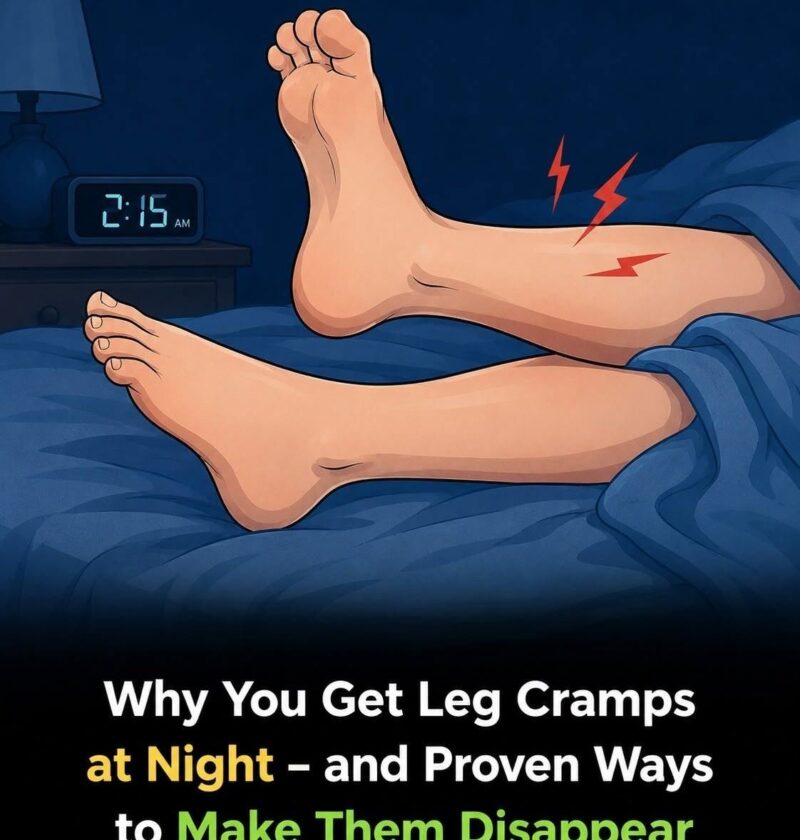
Nighttime leg cramps are sudden, painful muscle contractions, most often affecting the calf, foot, or thigh. They usually last from a few seconds to several minutes and are common, especially as people get older.
In many cases, the exact cause is unknown, but several factors may increase the likelihood of nighttime cramps.
Common causes and risk factors
1. Muscle fatigue or overuse
- Strenuous exercise or standing for long periods during the day can make muscles more prone to cramping at night.
2. Dehydration
- Not drinking enough fluids, especially after sweating or exercise, may contribute to cramps in some people.
3. Prolonged sitting or certain sleeping positions
- Keeping muscles in a shortened position for a long time may increase the risk of cramping.
4. Pregnancy
- Nighttime leg cramps are common during pregnancy, particularly in the second and third trimesters.
5. Certain medical conditions
Cramps may be more common in people with:
- Diabetes
- Kidney disease
- Peripheral artery disease
- Thyroid disorders
- Nerve disorders
6. Some medications
Certain medicines, such as some diuretics (“water pills”), can contribute to cramps in some people, although the relationship is not always direct.
Do low magnesium or potassium always cause cramps?
Not necessarily. While deficiencies in magnesium, potassium, or calcium can contribute to muscle cramps, most people with nighttime leg cramps do not have a vitamin or mineral deficiency. Taking supplements is unlikely to help unless a deficiency is confirmed.
What can help prevent nighttime cramps?
- ✅ Stretch your calf and hamstring muscles before bed.
- ✅ Stay physically active with regular, moderate exercise.
- ✅ Drink enough fluids throughout the day.
- ✅ Wear supportive footwear if you stand for long periods.
- ✅ If a cramp occurs, gently stretch and massage the affected muscle and, if helpful, apply warmth with a heating pad or warm towel.
When should you see a healthcare professional?
Seek medical advice if your cramps:
- Occur frequently or are becoming more severe.
- Cause significant sleep disruption.
- Are accompanied by muscle weakness, numbness, or swelling.
- Began after starting a new medication.
- Affect only one leg and are associated with redness, warmth, or persistent pain.
Most nighttime leg cramps are not a sign of a serious illness, but frequent or severe episodes are worth discussing with a healthcare professional to look for an underlying cause and determine the most appropriate treatment.