9 Warning Signs Your Kidneys May Be Struggling — and How to Protect Kidney Function
Kidney disease can develop slowly, and many people do not notice symptoms until kidney function has significantly declined. Recognizing warning signs early and getting appropriate testing can help identify problems sooner and may help slow progression.
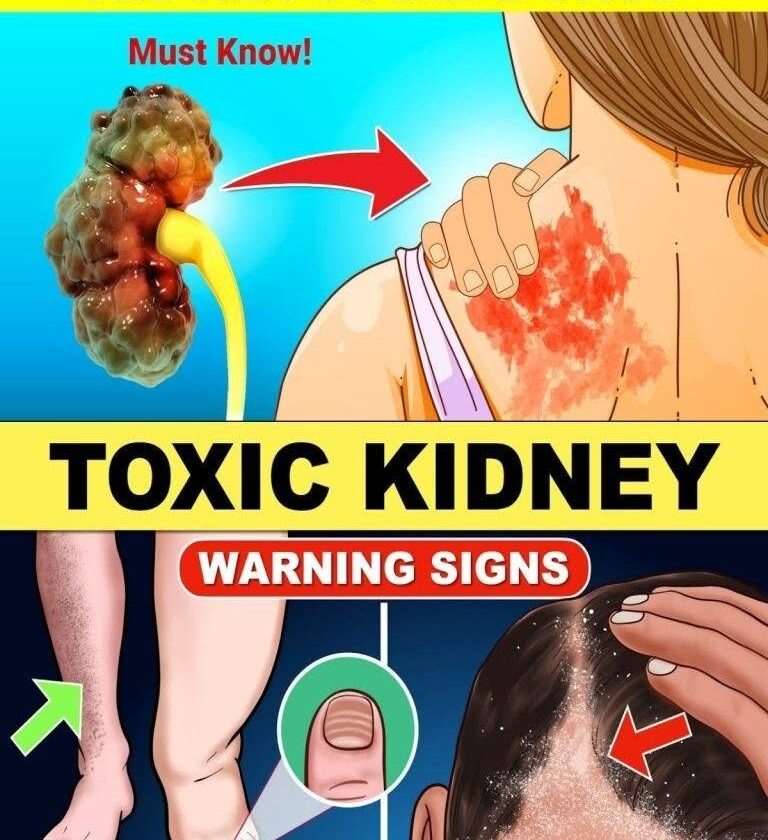
9 possible warning signs of kidney problems
1. Changes in urination
- Urinating much more or less than usual.
- Waking frequently at night to urinate.
- Foamy urine, which can be a sign of protein leakage.
2. Swelling (especially in the legs, ankles, or around the eyes)
- Damaged kidneys may have trouble removing extra fluid and salt from the body.
3. Persistent tiredness or weakness
- Reduced kidney function can contribute to anemia and toxin buildup, which may cause fatigue.
4. Blood in the urine
- This should always be evaluated by a healthcare professional.
5. Back or side discomfort
- Pain in the kidney area can have many causes and is not always due to kidney failure.
6. Itchy or dry skin
- Advanced kidney problems can affect mineral balance and waste removal.
7. Nausea, poor appetite, or unusual taste in the mouth
- Waste buildup in the blood may affect digestion and taste.
8. Trouble concentrating or confusion
- Severe kidney dysfunction can affect brain function.
9. High blood pressure
- High blood pressure can both contribute to kidney damage and result from kidney disease.
Tests that help check kidney health
Healthcare professionals commonly use:
- Blood tests
- Creatinine and estimated glomerular filtration rate (eGFR): Measure how well the kidneys filter waste.
- Urine tests
- Urine albumin-to-creatinine ratio (UACR): Detects small amounts of protein leakage.
- Blood pressure checks
- High blood pressure is a major risk factor for kidney disease.
- Imaging tests (when needed)
- Ultrasound or other scans may help evaluate kidney structure.
Ways to help protect kidney function
- Keep blood pressure controlled.
- Manage diabetes and blood sugar.
- Avoid smoking.
- Maintain a healthy weight.
- Stay physically active.
- Avoid frequent unnecessary use of certain pain medicines (especially NSAIDs such as ibuprofen or naproxen) unless advised by a healthcare professional.
- Follow a kidney-appropriate diet if kidney disease is diagnosed.
About avoiding dialysis
Early detection and treatment can slow kidney disease for many people, but there is no single test or food that can guarantee dialysis prevention. The best approach is regular monitoring and managing the conditions that commonly damage kidneys.
Seek medical care promptly for sudden decreases in urination, severe swelling, chest pain, shortness of breath, confusion, or blood in the urine.