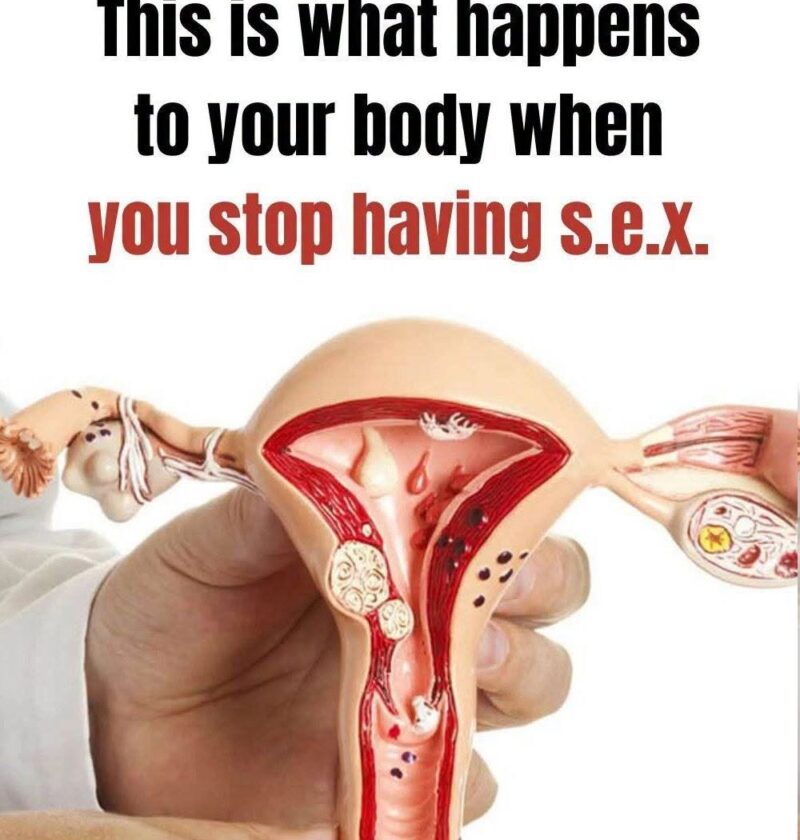
As people age, changes in intimacy can affect the body and mind, but there is no universal outcome. Some people remain sexually active well into later life, while others have little or no sexual activity and are perfectly satisfied. The effects depend on overall health, relationships, and personal preferences.
Possible changes when intimacy decreases include:
- Emotional well-being: If the loss of intimacy is unwanted, some people may experience loneliness, sadness, or increased stress. If it’s a mutual and comfortable choice, there may be no negative effect.
- Physical changes: Sexual activity is a form of physical activity, but stopping it does not directly cause illness. However, regular physical activity of any kind remains important for health.
- Vaginal health after menopause: For some women, infrequent vaginal intercourse may be associated with increased vaginal dryness or discomfort, largely because of lower estrogen levels. Lubricants, moisturizers, or medical treatments can help.
- Erectile function: In men, erections may become less frequent with age due to hormonal and vascular changes. Regular sexual activity may help some people maintain sexual function, but it is only one of many factors.
- Relationship satisfaction: For couples who value physical intimacy, a decline can affect closeness and communication if it isn’t discussed.
It’s important to remember that intimacy is broader than sex. Affection, hugging, kissing, holding hands, and emotional connection can all contribute to well-being.
If a sudden loss of sexual desire or function is causing distress, it can be worth discussing with a healthcare professional, as it may be related to medications, hormonal changes, mental health, or underlying medical conditions that can often be addressed.