:
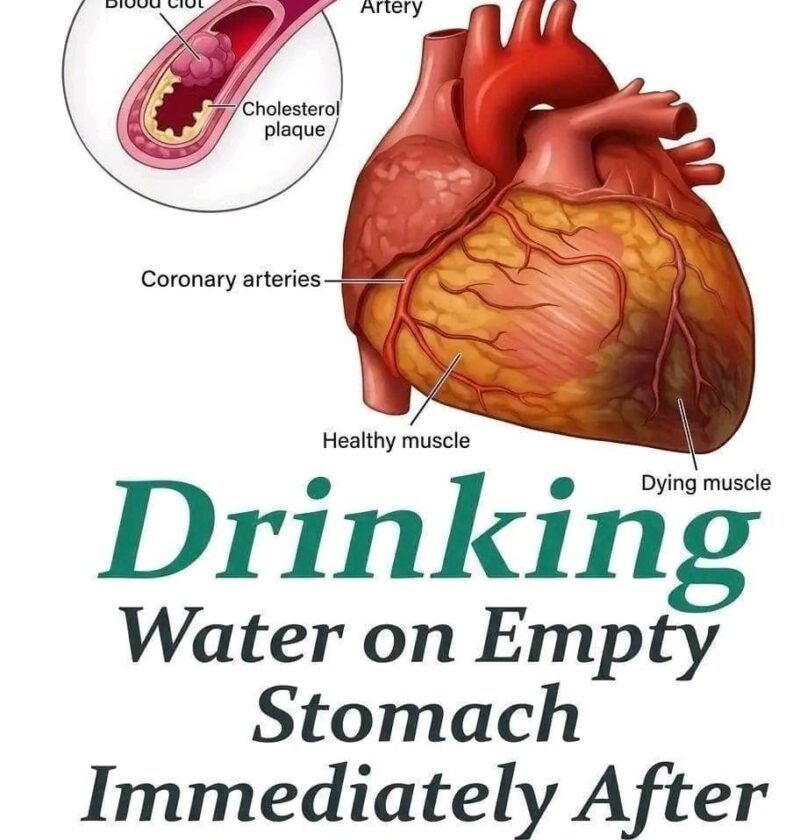
💧 Drinking Water on an Empty Stomach: Benefits, Myths, and What Science Says
Many people start their day by drinking water before breakfast. While this habit can be beneficial, it’s important to separate facts from popular health myths.
✅ Potential Benefits
1. Rehydrates the Body After Sleep
After several hours without fluids, drinking water in the morning helps restore hydration levels.
2. May Support Digestion
Water can help prepare the digestive system for the day and support normal bowel function.
3. Helps Meet Daily Fluid Needs
Starting the day with a glass of water makes it easier to stay adequately hydrated overall.
4. May Improve Alertness
Even mild dehydration can affect concentration and energy levels. Rehydrating may help you feel more awake.
❌ Common Myths
“It Flushes All Toxins Out of Your Body”
Your kidneys, liver, lungs, and digestive system continuously remove waste products. Drinking water supports these organs, but it does not perform a special “detox” that only happens on an empty stomach.
“It Melts Fat Away”
Drinking water can help with satiety and hydration, but it does not directly burn body fat.
“It Cures Diseases”
There is no good evidence that drinking water first thing in the morning cures chronic illnesses.
⚠️ Can It Ever Be a Problem?
For most healthy people, drinking water on an empty stomach is safe. However:
- Drinking excessive amounts very quickly can cause discomfort.
- People with certain medical conditions may have fluid restrictions prescribed by their healthcare provider.
🥤 How Much Should You Drink?
There is no magic amount. Many people find that 1–2 glasses (about 250–500 mL) after waking is comfortable, but hydration needs vary.
📌 Bottom Line
Drinking water on an empty stomach can be a healthy habit because it helps rehydrate your body after sleep and supports normal bodily functions. However, claims that it detoxifies the body, cures diseases, or produces dramatic health effects are not supported by strong scientific evidence.