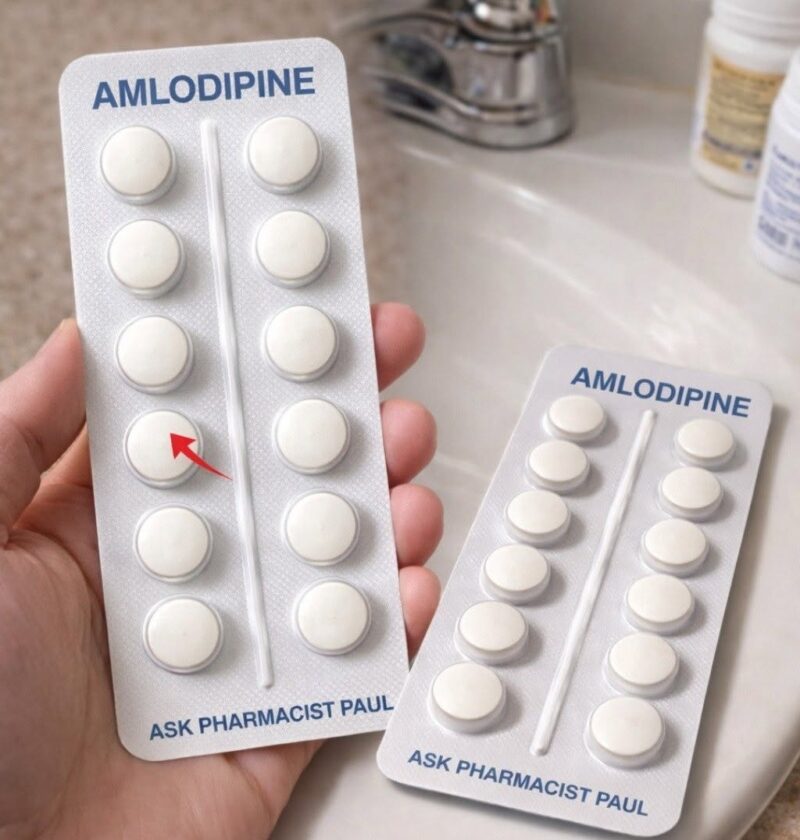
Amlodipine is a commonly prescribed calcium channel blocker used to treat high blood pressure and some types of chest pain (angina). It is generally well tolerated, but certain habits can make side effects worse or reduce how well it controls blood pressure.
Here are 8 habits to reconsider if you take amlodipine:
1. Skipping doses or taking it inconsistently
Why it matters:
- Amlodipine works best when taken regularly.
- Missing doses can allow blood pressure to rise again.
Better habit: Take it at the same time each day and follow your prescriber’s instructions.
2. Eating too much salty food
Why it matters:
- High sodium intake can raise blood pressure and make it harder for medication to work effectively.
Better habit: Limit processed foods, salty snacks, and heavily salted meals.
3. Drinking too much alcohol
Why it matters:
- Alcohol can lower blood pressure and may increase side effects such as:
- Dizziness
- Lightheadedness
- Feeling faint
Better habit: If you drink alcohol, discuss safe limits with your healthcare professional.
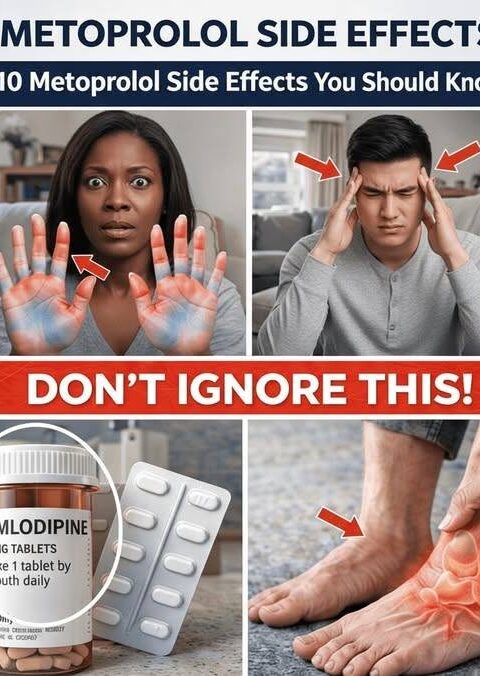
4. Ignoring swelling in your ankles or feet
Why it matters:
- Amlodipine can cause peripheral edema (fluid buildup around the ankles and feet).
- It is often not dangerous, but persistent or severe swelling should be discussed.
Better habit: Report new or worsening swelling to your healthcare provider.
5. Taking certain supplements or medicines without checking
Why it matters:
- Some supplements, herbal products, or other medicines may affect blood pressure or interact with your treatment.
Better habit: Tell your pharmacist or doctor about all pills, vitamins, and supplements you use.
6. Becoming dehydrated
Why it matters:
- Dehydration can increase dizziness or low blood pressure symptoms, especially when standing.
Better habit: Maintain adequate fluid intake unless you have been told to restrict fluids.
7. Not monitoring blood pressure
Why it matters:
- You may feel fine even when blood pressure is too high or too low.
Better habit: Check your blood pressure as recommended and keep a record for your healthcare provider.
8. Stopping amlodipine suddenly without medical advice
Why it matters:
- Your blood pressure may rise again if treatment is stopped abruptly.
Better habit: If you want to stop or change the dose, discuss it with your prescriber first.
Contact a healthcare professional if you experience:
- Severe dizziness or fainting
- New chest pain
- Rapid or irregular heartbeat
- Severe swelling
- Signs of an allergic reaction
Amlodipine affects people differently. If you tell me your dose (for example 5 mg or 10 mg), how long you’ve been taking it, and any side effects you notice, I can help explain what is most relevant.