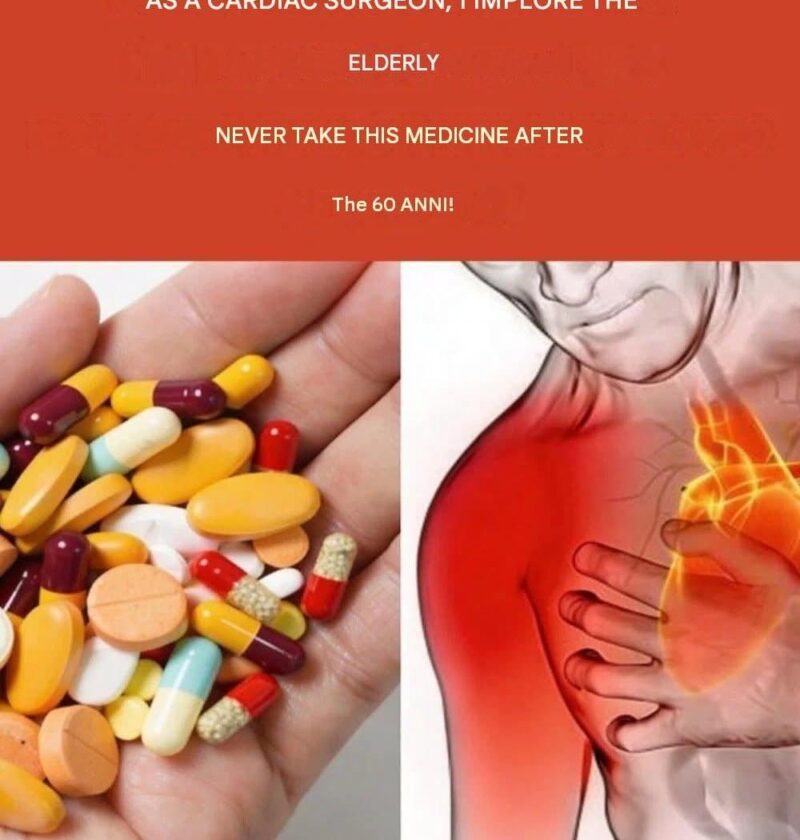
That headline is designed to provoke concern. Claims like “the 7 most common pills that silently weaken seniors’ hearts” are often oversimplified or used as clickbait. The reality is more nuanced: some medications can affect the heart, especially in older adults, but they may also be the best treatment for a particular condition. The balance of benefits and risks depends on the individual.
Here are several medication categories that can increase cardiovascular risk or require extra caution in some older adults:
- Certain NSAID pain relievers (such as ibuprofen and diclofenac)
- Can raise blood pressure.
- May worsen heart failure by causing fluid retention.
- Can increase the risk of heart attack or stroke with prolonged use.
- Some decongestants (such as pseudoephedrine)
- Can increase heart rate and blood pressure.
- May trigger irregular heart rhythms in susceptible people.
- Certain diabetes medications
- Some older drugs have been linked to fluid retention or heart failure risk in specific patients.
- Newer medications can actually reduce cardiovascular risk for many people.
- Some medications for irregular heart rhythms
- While they treat abnormal rhythms, they can occasionally cause new rhythm problems and require careful monitoring.
- Certain chemotherapy drugs
- Some cancer treatments can weaken the heart muscle, so heart function is often monitored during treatment.
- Some stimulant medications
- Can increase heart rate and blood pressure.
- May not be appropriate for people with certain heart conditions.
- Certain antidepressants or antipsychotics
- Some can prolong the QT interval (an electrical measurement of heart rhythm), increasing the risk of dangerous arrhythmias in susceptible individuals