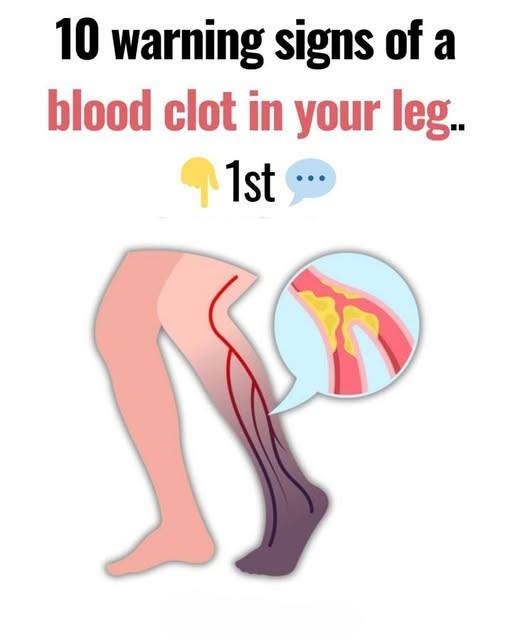
If you’re looking for an article-style piece on this topic, here is a clear version:
10 Warning Signs of a Blood Clot in the Leg You Should Know
A blood clot in the leg, known as deep vein thrombosis (DVT), can become a serious health concern because a clot may travel to the lungs and cause a life-threatening condition called a pulmonary embolism. Recognizing possible warning signs and seeking medical advice promptly can be important.
Here are 10 signs that may indicate a blood clot in the leg:
1. Swelling in one leg
A sudden increase in swelling, especially in only one leg, can be a warning sign.
2. Leg pain or tenderness
Pain or tenderness—often in the calf or thigh—may occur without an obvious injury.
3. Warmth in the affected area
The skin over the area of a clot may feel warmer than the surrounding skin.
4. Red or discolored skin
The affected leg may appear red, purple, or darker than usual.
5. A feeling of heaviness in the leg
Some people describe the leg as feeling heavy, tight, or unusually full.
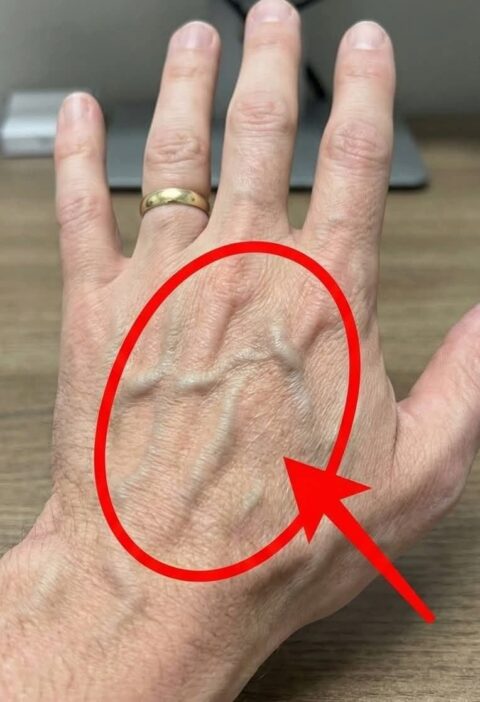
6. Enlarged or more visible veins
Surface veins may become more noticeable in the affected area.
7. Pain that worsens when walking or standing
Discomfort may increase with movement or when putting weight on the leg.
8. Tightness or cramping sensation
A clot can sometimes feel like a persistent cramp, especially in the calf.
9. Sudden changes without a clear cause
Unexplained swelling, pain, or changes in one leg deserve attention.
10. Symptoms of a possible pulmonary embolism
Seek emergency medical help if leg symptoms are accompanied by:
- Sudden shortness of breath
- Chest pain (especially with breathing)
- Rapid heartbeat
- Coughing, especially with blood
- Feeling faint or lightheaded
Not every leg ache or swelling is caused by a blood clot, but new or unusual symptoms—particularly in one leg—should be evaluated by a healthcare professional. Risk can be higher with factors such as recent surgery, long periods of immobility, certain medical conditions, or a previous history of blood clots.
I can also turn this into a shorter Facebook health post, a large-print version for seniors, or a doctor-reviewed style checklist.