
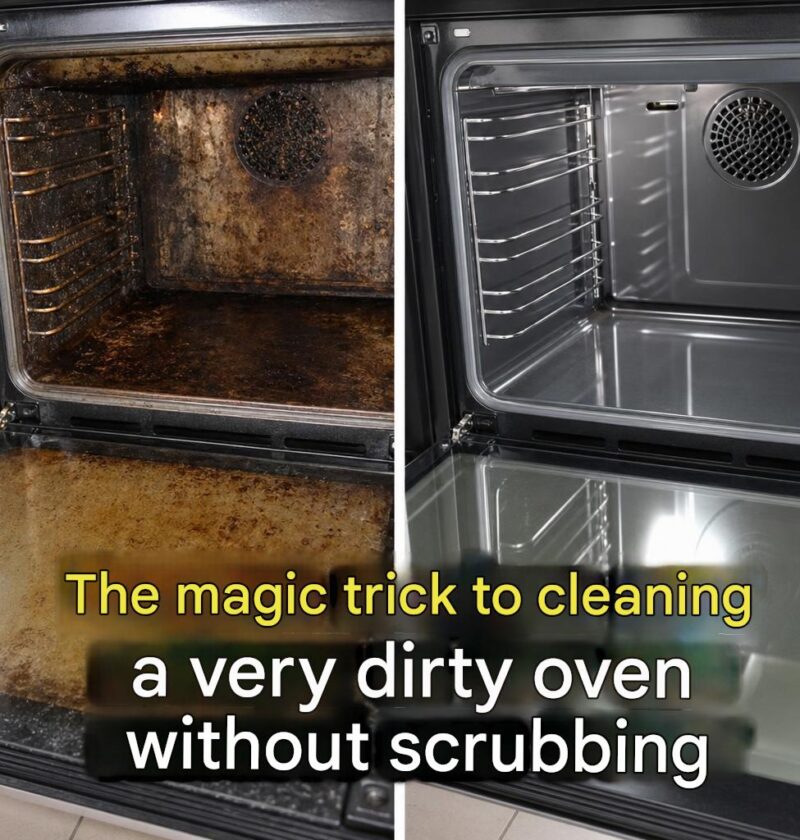
That kind of line—“You’ve been cleaning your oven the wrong way your whole life, it’s so shiny!”—is classic social media clickbait. It usually implies a secret hack, but oven cleaning is actually pretty straightforward, and there’s no single “wrong way” that applies to everyone.
What actually works for cleaning an oven safely
1. Regular baking soda + water method (most common safe DIY)
- Make a thick paste using baking soda and a little water
- Spread it inside the oven (avoiding heating elements)
- Leave it for several hours or overnight
- Wipe off with a damp cloth
- Spray vinegar lightly to help remove residue
2. Commercial oven cleaners
- Very effective for heavy grease buildup
- Must be used with gloves and good ventilation
- Follow instructions carefully to avoid damage or fumes
3. Steam cleaning (for light mess)
- Place a heat-safe dish of water in the oven
- Heat it so steam loosens grease
- Wipe down afterward
What not to do (common mistakes)
- Don’t mix chemical cleaners (dangerous fumes)
- Don’t spray cleaner directly on heating elements
- Don’t ignore ventilation (fumes can be strong)
- Don’t use abrasive tools that scratch enamel coatings
Why your oven may never look “Instagram shiny”
Even with good cleaning:
- Burned-on grease can permanently stain enamel
- Older ovens naturally discolor over time
- Some residue is cosmetic, not functional
Bottom line
There’s no hidden trick you’ve been “doing wrong your whole life.” A clean oven usually comes down to time, the right cleaner, and regular maintenance, not a secret hack.
If you want, I can give you a step-by-step “deep clean oven in 1 hour” method or a natural no-chemical cleaning routine.