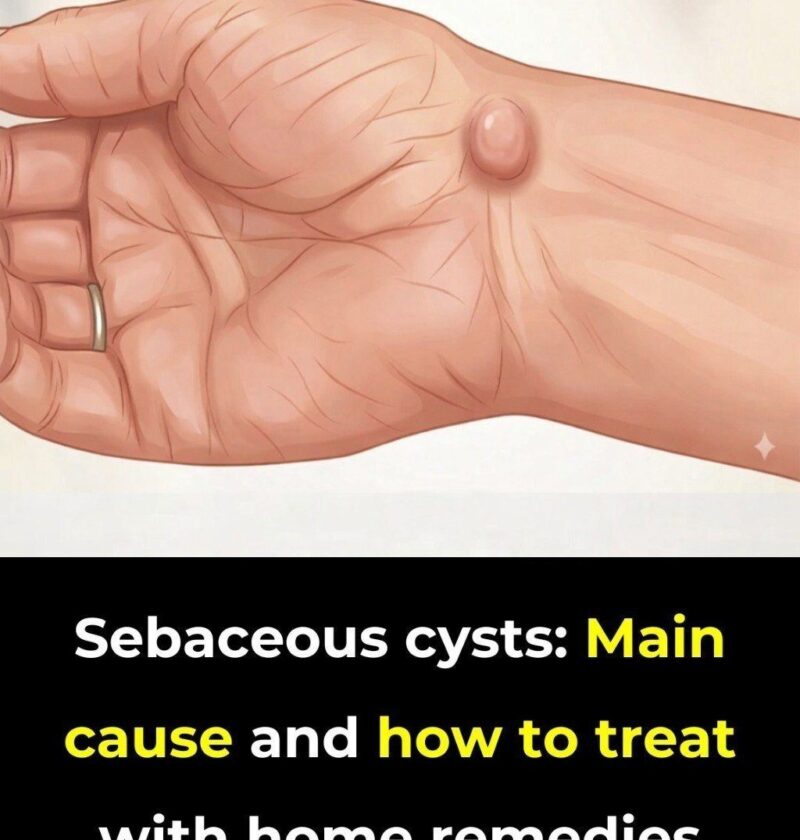
Why Sebaceous Cysts Develop (Main Causes & Risk Factors)
🧬 1. Blocked Hair Follicles or Skin Glands
The most common cause of sebaceous cysts is a blockage in a hair follicle or oil gland.
What happens:
- Skin cells normally shed and move outward
- When a pore or follicle gets blocked, cells get trapped
- These trapped cells form a sac under the skin
- The sac slowly fills with keratin
🧴 2. Skin Injury or Trauma
Cysts may form after:
- Minor cuts
- Acne lesions
- Surgical wounds
- Skin irritation or rubbing
Damaged skin can trigger abnormal cell growth and blockage.
🧫 3. Excess Keratin Production
Keratin is a natural protein in skin and hair.
When overproduced:
- It can accumulate under the skin
- Form a lump or cyst wall
- Slowly expand over time
🧬 4. Hormonal Changes
Hormonal fluctuations may contribute to:
- Increased oil production
- Blocked pores
- Higher risk of cyst formation
🧪 5. Genetic Predisposition
Some people are more prone to cysts due to family history. If close relatives have frequent cysts, the likelihood may be higher.
⚠️ 6. Acne-Prone or Oily Skin
People with oily or acne-prone skin are more likely to develop blocked pores, which increases the risk of cyst formation.
🧴 Part 2: Natural Home Care & Safe Management Tips
⚠️ Important First Note
Natural methods cannot fully remove a sebaceous cyst, but they may:
- Reduce discomfort
- Lower inflammation
- Prevent infection
- Improve skin comfort
If a cyst becomes painful, red, or grows quickly, medical treatment is necessary.
🌿 1. Warm Compress Therapy
How it helps:
- Improves blood circulation
- Encourages natural drainage
- Reduces discomfort
How to use:
- Soak a clean cloth in warm water
- Apply to the cyst for 10–15 minutes
- Repeat 2–3 times daily
🧼 2. Keep the Area Clean
Steps:
- Wash gently with mild soap and water
- Avoid harsh scrubbing
- Pat dry with a clean towel
This helps prevent bacterial infection.
🌱 3. Tea Tree Oil (Diluted Use)
Tea tree oil has natural antibacterial properties.
How to use safely:
- Mix with a carrier oil (like coconut oil)
- Apply lightly to the area
- Avoid using undiluted oil
🧴 4. Aloe Vera Gel
Aloe vera may help soothe irritation and reduce inflammation.
Benefits:
- Cooling effect
- Gentle on skin
- Helps calm redness
🧂 5. Avoid Squeezing or Popping
This is one of the most important rules.
Why:
- Can cause infection
- May worsen inflammation
- Can lead to scarring or recurrence
🧠 6. Maintain Good Skin Hygiene
Tips:
- Regular cleansing routine
- Avoid oily or heavy skin products
- Keep skin dry and clean
⚠️ When to See a Doctor
Seek medical advice if:
- The cyst becomes painful
- It grows quickly
- It becomes red or warm
- It leaks pus or fluid
- It keeps coming back
🧠 Final Summary
Sebaceous cyst usually form due to blocked pores, trapped skin cells, or excess keratin buildup. While they are generally harmless, good hygiene and simple home care like warm compresses and soothing natural remedies can help manage mild symptoms. Persistent or painful cysts should always be evaluated by a healthcare professional.