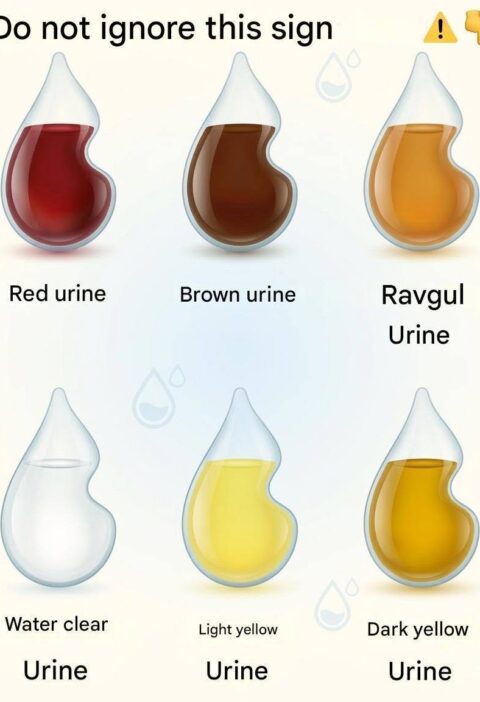
Urine color can give useful clues about hydration and sometimes health, but it’s not a diagnosis on its own. Most changes are harmless and related to fluids, diet, or vitamins.A normal urinary system, such as Chronic kidney disease in early stages, may still produce normal-looking urine—so symptoms and lab tests matter more than color alone.
💧 What different urine colors usually mean
🟡 Pale yellow (ideal)
- Normal hydration
- Healthy balance of fluids
⚪ Clear
- Very well hydrated
- Sometimes drinking too much water
🟡 Dark yellow / amber
- Mild dehydration
- You likely need more fluids
🟠 Orange
Possible causes:
- Dehydration
- Vitamin B supplements
- Some medications
- Rarely liver/bile issues
🔴 Pink or red
Possible causes:
- Blood in urine (needs checking)
- Beets or certain foods can also color urine
👉 If not food-related, see a doctor.
🟤 Brown / cola-colored
Possible causes:
- Severe dehydration
- Liver issues
- Muscle breakdown (rare but serious)
🟢 Blue or green (rare)
- Food dyes
- Certain medications
- Rare medical conditions
🚨 When to seek medical advice
Get checked if you notice:
- Persistent red or brown urine
- Pain or burning during urination
- Fever or back pain
- Foamy urine with swelling or fatigue
🧠 Bottom line
Most urine color changes are due to hydration, diet, or vitamins, but persistent abnormal colors—especially red or brown—should not be ignored.
If you want, I can also explain:
- what urine smell changes mean
- early kidney disease warning signs
- how much water you should actually drink daily (especially in hot climates like Multan)