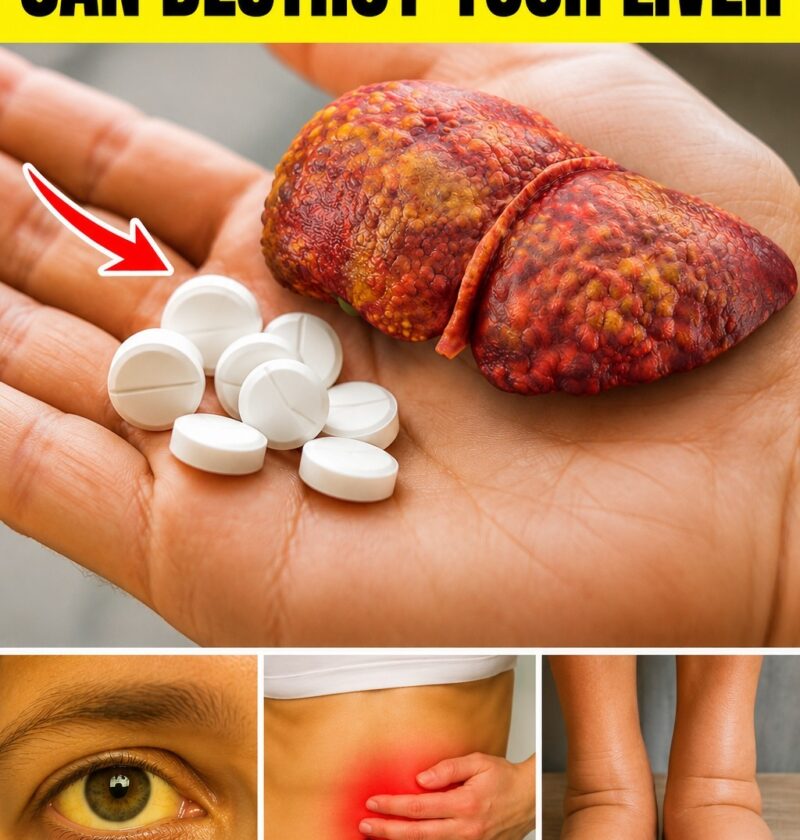
The liver is one of the most important organs in the human body. It performs hundreds of essential functions, including filtering toxins from the bloodstream, processing nutrients from food, producing important proteins, regulating cholesterol levels, and helping the body metabolize medications. Every prescription drug, over-the-counter medicine, herbal supplement, and vitamin you consume is processed by the liver to some extent.
Because the liver works so hard to break down substances, certain medications can place additional stress on this vital organ. While most medicines are safe when used according to medical guidance, some may cause temporary liver irritation, elevated liver enzymes, or, in rare situations, serious liver damage.
Understanding which medications may affect liver function can help individuals make informed healthcare decisions and recognize potential warning signs early.
What Is Drug-Induced Liver Injury?
Drug-induced liver injury (DILI) occurs when medications, supplements, or other substances cause inflammation or damage to liver cells. This condition can range from mild and reversible to severe and potentially life-threatening.
Not everyone who takes these medications will develop liver problems. Risk factors often include:
- Existing liver disease
- Excessive alcohol consumption
- Advanced age
- Taking multiple medications simultaneously
- Certain genetic factors
- High medication doses
- Long-term medication use
Regular medical monitoring can often detect liver concerns before serious complications develop.
1. Acetaminophen (Paracetamol)
Acetaminophen is one of the most commonly used pain-relieving and fever-reducing medications worldwide. It is found in numerous prescription and over-the-counter products.
When taken within recommended doses, acetaminophen is generally considered safe. However, excessive intake can overwhelm the liver’s ability to process the drug, resulting in toxic byproducts that may damage liver tissue.
Many accidental overdoses occur because individuals unknowingly take multiple medications containing acetaminophen at the same time.
Key Considerations
- Follow dosage instructions carefully.
- Avoid combining multiple acetaminophen-containing products.
- Use caution if consuming alcohol regularly.
2. Amoxicillin-Clavulanate
This widely prescribed antibiotic is commonly used to treat bacterial infections affecting the respiratory system, skin, and urinary tract.
Although effective for many infections, amoxicillin-clavulanate has been associated with cases of medication-related liver injury. Symptoms may develop during treatment or even weeks after therapy has ended.
Possible Symptoms
- Fatigue
- Dark urine
- Jaundice
- Abdominal discomfort
Most individuals recover completely after discontinuing the medication under medical supervision.
3. Isoniazid
Isoniazid plays a major role in treating and preventing tuberculosis. Despite its effectiveness, the medication may occasionally cause liver inflammation.
The risk tends to increase among older adults, individuals with pre-existing liver disease, and people who consume alcohol regularly.
Monitoring Recommendations
Healthcare providers often perform periodic liver function tests during treatment to ensure safe medication use.
4. Methotrexate
Methotrexate is frequently prescribed for autoimmune disorders such as rheumatoid arthritis, psoriasis, and certain cancers.
Long-term use may contribute to liver scarring or chronic liver injury in some patients. The risk may increase with prolonged therapy and higher cumulative doses.
Prevention Strategies
- Routine blood testing
- Limiting alcohol intake
- Following prescribed dosing schedules carefully
5. Amiodarone
Amiodarone is commonly used to manage certain heart rhythm disorders. While it can be highly effective for cardiovascular health, it may occasionally affect liver function.
Some patients experience elevated liver enzymes, while rare cases involve more significant liver complications.
Medical Monitoring
Regular follow-up appointments and laboratory testing help healthcare providers identify potential issues early.
6. Valproate (Valproic Acid)
Valproate is prescribed for epilepsy, seizure disorders, bipolar disorder, and migraine prevention.
Although serious liver complications are uncommon, liver toxicity has been reported, particularly in younger patients and those with underlying health conditions.
Warning Signs
- Persistent nausea
- Weakness
- Loss of appetite
- Yellowing of the eyes or skin
Prompt medical attention is recommended if these symptoms occur.
7. Ketoconazole
Ketoconazole is an antifungal medication used to treat various fungal infections.
Oral ketoconazole has been associated with significant liver-related side effects. As a result, healthcare providers carefully evaluate the benefits and risks before prescribing it.
Important Notes
Patients should report unusual symptoms such as fatigue, dark urine, or jaundice immediately.
8. Azathioprine
Azathioprine is commonly used to suppress the immune system in individuals with autoimmune disorders and organ transplants.
The medication can occasionally affect liver enzymes and overall liver function.
Why Monitoring Matters
Routine laboratory testing helps detect liver-related changes before symptoms develop.
9. Statins
Statins are among the most commonly prescribed medications for lowering cholesterol and reducing cardiovascular risk.
While mild liver enzyme elevations can occur, serious liver injury from statins is considered uncommon. Nevertheless, healthcare professionals may recommend periodic monitoring for certain patients.
Benefits Versus Risks
For many individuals, the cardiovascular benefits of statin therapy significantly outweigh potential liver-related concerns.
10. Nonsteroidal Anti-Inflammatory Drugs (NSAIDs)
NSAIDs such as ibuprofen and similar pain-relieving medications are widely used to reduce pain, inflammation, and fever.
Although liver injury is rare, prolonged use or individual sensitivity may contribute to liver complications in some people.
Safe Usage Tips
- Use the lowest effective dose.
- Avoid unnecessary long-term use.
- Follow medical guidance regarding dosage.
Symptoms That May Indicate Liver Problems
Individuals taking medications that affect the liver should be aware of possible warning signs.
Common Symptoms Include:
- Yellow skin or eyes (jaundice)
- Dark-colored urine
- Pale stools
- Persistent nausea
- Unexplained fatigue
- Loss of appetite
- Upper right abdominal pain
- Unusual itching
Anyone experiencing these symptoms should consult a healthcare professional promptly.
How to Protect Your Liver While Taking Medications
Maintaining liver health involves a combination of medication awareness and healthy lifestyle choices.
Practical Liver Health Tips
Follow Medication Instructions
Always take medications exactly as prescribed or according to package directions.
Avoid Self-Medicating
Do not increase doses without professional advice.
Limit Alcohol Consumption
Alcohol can increase liver stress and may interact with many medications.
Discuss Supplements With Your Doctor
Some herbal supplements and natural products can also affect liver function.
Schedule Regular Checkups
Routine blood tests can help identify problems before symptoms appear.
Maintain a Healthy Diet
A balanced diet rich in fruits, vegetables, lean proteins, and whole grains supports overall liver health.
Stay Hydrated
Proper hydration helps support normal metabolic functions.
Exercise Regularly
Physical activity contributes to overall metabolic wellness and may reduce the risk of fatty liver disease.
Final Thoughts
Medications play an essential role in treating diseases and improving quality of life. However, certain drugs can affect liver function, especially when used improperly, taken in excessive amounts, or combined with other risk factors.
The good news is that most medication-related liver problems are preventable or manageable through proper dosing, regular monitoring, and open communication with healthcare providers. Understanding potential risks empowers patients to make informed decisions while protecting one of the body’s most important organs.
By staying informed, following medical advice, and recognizing early warning signs, individuals can support long-term liver health while benefiting from necessary medications.