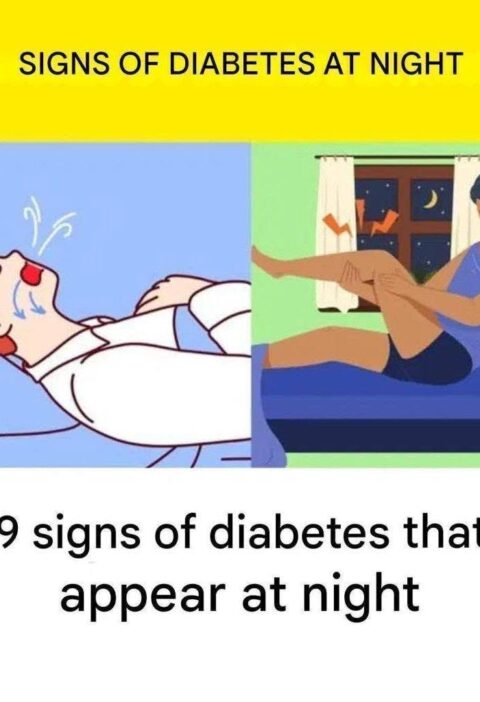
Night cramps (nocturnal leg cramps) are sudden, painful muscle contractions—most often in the calves or feet—that happen during sleep. They’re common and usually harmless, but they can be very disruptive.
Who is most at risk of night cramps?
1. Older adults
Risk increases significantly with age due to:
- Reduced muscle mass and flexibility
- Changes in nerve function
- More medical conditions and medications
2. Pregnant women
Especially in the 2nd and 3rd trimester:
- Increased pressure on blood vessels and nerves
- Changes in calcium and magnesium balance
3. People who are dehydrated
- Not drinking enough fluids
- Excessive sweating (heat, exercise, fever)
- Diuretics (“water pills”) increasing fluid loss
4. People with poor circulation
Conditions like peripheral artery disease can reduce blood flow to muscles.
5. People with certain medical conditions
Higher risk is seen in:
- Diabetes
- Kidney disease
- Thyroid disorders
- Nerve disorders
6. People who take certain medications
Some drugs are linked to cramps, including:
- Diuretics
- Statins (cholesterol-lowering medicines)
- Some asthma medications
7. Athletes or physically active people
Especially if:
- Muscles are overworked
- There is inadequate stretching
- Electrolytes are depleted
8. People with low mineral levels
Low:
- Magnesium
- Potassium
- Calcium
may contribute (though evidence is mixed and not always the direct cause).
9. People who sit or lie in one position for long periods
- Poor leg positioning during sleep
- Long periods of inactivity during the day
When to be concerned
Occasional night cramps are usually not serious, but see a doctor if:
- They happen frequently or worsen
- They disrupt sleep regularly
- You also have swelling, weakness, or numbness
- You have underlying health conditions
Simple prevention tips
- Gentle calf stretching before bed
- Staying well hydrated
- Light leg movement during the day
- Avoiding long periods in one position
- Reviewing medications with a doctor if needed