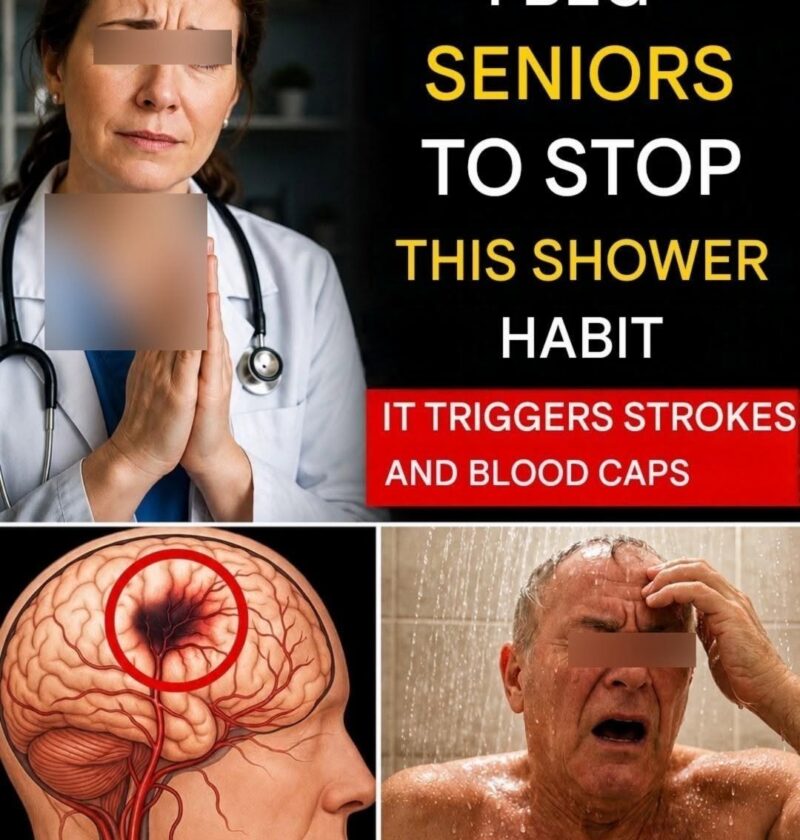
That headline is another sensational “shock” style claim, and it’s not supported in the way it’s usually presented.
There is no specific “shower habit” proven to directly increase stroke risk overnight in healthy people. However, there are a few real medical ideas that clickbait posts often exaggerate.
A stroke (Stroke) happens when blood flow to the brain is blocked or a blood vessel bursts. The real risk factors are things like high blood pressure, diabetes, smoking, heart disease, and age—not normal hygiene habits.
Where the confusion comes from
Some situations related to showers can be risky for certain people:
- Very hot showers → can temporarily lower blood pressure, which may cause dizziness or fainting in older adults
- Sudden temperature changes (hot → cold) → can stress the cardiovascular system in people with heart disease
- Standing too long in a hot shower → may cause lightheadedness due to blood pooling in the legs
- Existing high-risk patients → people with uncontrolled hypertension or vascular disease are more sensitive to these changes
But important point:
👉 These effects are about temporary blood pressure changes, not “causing a stroke overnight” in a healthy person.
Who should actually be careful
- Older adults with heart disease or high blood pressure
- People with a history of fainting or dizziness
- Anyone on strong blood pressure medications
Real stroke prevention tips (actually evidence-based)
- Control blood pressure
- Manage diabetes and cholesterol
- Avoid smoking
- Stay physically active
- Follow prescribed medications