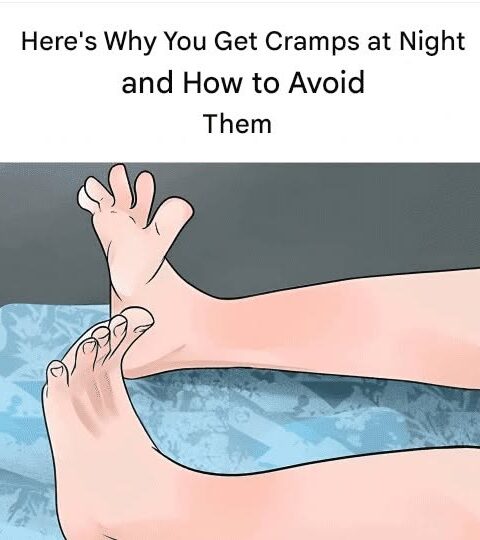
Night cramps (sudden painful muscle contractions during sleep) are common, especially in the legs and calves. They’re usually harmless but can be very painful.
Nocturnal leg cramps are more likely in certain groups:
People most at risk
1) Older adults
- Risk increases with age
- Muscles and nerves become less flexible over time
2) People who are dehydrated
- Not drinking enough fluids
- Heavy sweating or hot climates can increase risk
3) Pregnant women
- Especially in later pregnancy
- Changes in circulation and mineral balance
4) People who sit or stand for long hours
- Poor blood flow to leg muscles
- Common in desk jobs or long standing shifts
5) Athletes or physically active people
- Muscle fatigue after intense exercise
- Electrolyte loss (sweating)
6) People with certain medical conditions
- Diabetes
- Nerve disorders
- Circulation problems
7) People taking certain medications
Some medicines can increase cramp risk, such as:
- Diuretics (“water pills”)
- Some asthma or cholesterol medications
Common contributing factors
- Low magnesium, potassium, or calcium (not always the cause, but sometimes involved)
- Poor stretching before bed
- Sleeping with feet pointed downward
When to pay attention
See a doctor if:
- cramps are frequent or severe
- they disrupt sleep regularly
- they are linked with swelling, numbness, or weakness
Bottom line
Nocturnal leg cramps are common and usually harmless, but risk is higher in older adults, pregnant women, dehydrated people, and those with long periods of inactivity or certain medical conditions.
If you want, I can share simple exercises and home tips that reduce night cramps quickly.