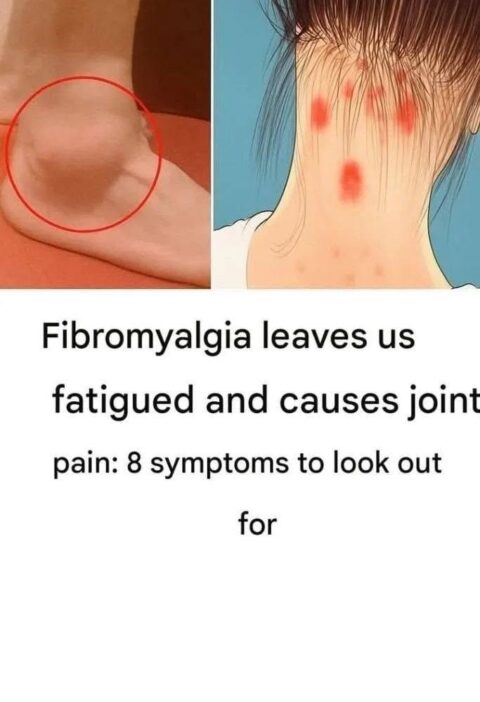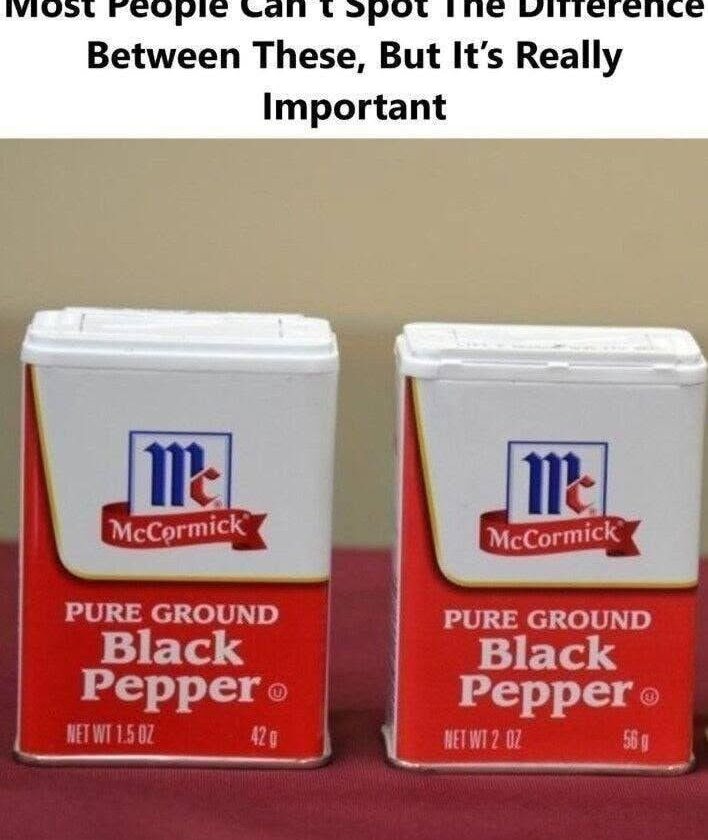
That sentence is another attention hook, and it’s intentionally incomplete. It’s usually used in health or lifestyle posts to make people curious without saying exactly what “these things” are.
Because nothing specific is mentioned, there’s no factual claim to evaluate—only a pattern commonly used in clickbait content.
What it usually refers to in posts like this
This kind of wording is often followed by comparisons such as:
- Normal aging vs. disease symptoms
- Fatigue vs. serious illness warning signs
- Heartburn vs. heart attack
- Anxiety vs. heart problems
- Muscle pain vs. nerve or circulation issues
But the problem is:
👉 Without full context, these comparisons can be misleading or scary
Why it matters (the real point behind it)
There are situations where people do confuse symptoms, especially when they overlap. For example:
- Stress vs. heart-related chest discomfort
- Dehydration vs. fatigue or dizziness
- Muscle strain vs. nerve pain
- Anxiety vs. physical illness symptoms
So the “important difference” is real—but it depends entirely on what conditions are being discussed.
The key reality
- Many symptoms are non-specific (fatigue, headache, dizziness)
- Self-diagnosing based on viral posts is unreliable
- Context, duration, and medical evaluation matter far more than online comparisons
Bottom line
The sentence sounds important, but without specifying what two things are being compared, it doesn’t actually provide useful medical information—it’s designed to keep you reading.
If you want, you can paste the full post or title, and I’ll break down exactly what is true, what is exaggerated, and what is misleading.