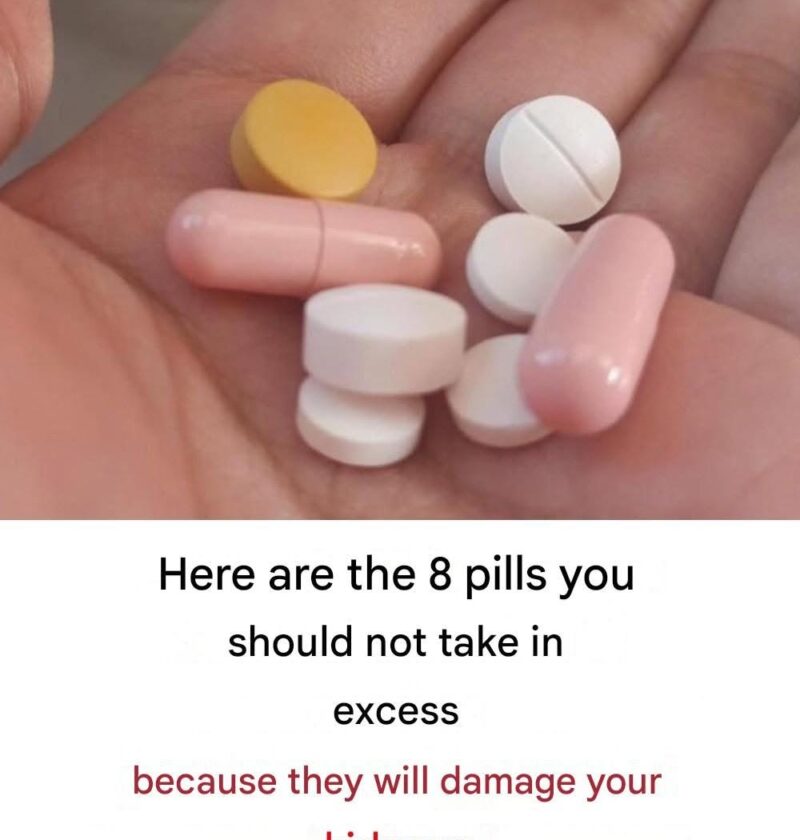
That headline is another clickbait-style warning. There is no universal list of “eight pills you should never take” because kidney risk depends on:
- dose
- duration
- existing kidney health
- hydration
- other medical conditions
However, it is true that certain types of medications can affect the kidneys, especially in high doses or long-term use.
The condition involved is often related to Chronic kidney disease, where the kidneys gradually lose function over time.
🧪 Medicines that can affect kidney health (when misused)
1. NSAID painkillers
Examples: ibuprofen, diclofenac, naproxen
- Can reduce blood flow to kidneys if overused
- Higher risk in dehydration or older adults
2. Certain antibiotics
Some antibiotics (like aminoglycosides) can be harmful in high doses or prolonged use, especially in hospital settings.
3. Contrast dyes (medical imaging)
Used in CT scans or angiography
- Can temporarily stress kidneys in at-risk patients
4. Diuretics (“water pills”)
Examples: furosemide, hydrochlorothiazide
- Helpful when prescribed properly
- Can cause dehydration or electrolyte imbalance if misused
5. Some blood pressure medications
ACE inhibitors and ARBs are usually kidney-protective long-term, but may require monitoring in certain patients.
6. Certain antivirals and chemotherapy drugs
Used under strict medical supervision
- Can affect kidney function depending on dose and condition
7. High-dose vitamin or supplement misuse
- Especially vitamin D or certain herbal supplements
- “Natural” does not always mean kidney-safe
8. Herbal or unknown traditional remedies
Some unregulated products have been linked to kidney injury due to contamination or toxic compounds
⚠️ Important reality check
- These medicines are not “bad” by default
- Many are safe and essential when properly prescribed
- Kidney problems usually occur with wrong dose, long use, dehydration, or pre-existing disease
🧠 Who should be more careful?
People with:
- Diabetes
- Hypertension
- Older age
- Existing kidney disease
🟢 Bottom line
There is no “forbidden list” of eight pills. The real issue is how medications are used, not the medicines themselves. Kidney damage usually comes from misuse, overuse, or underlying health conditions—not normal prescribed use.
If you want, I can give you a simple “kidney-safe medication guide” (what’s generally safe vs what needs caution) in plain language.