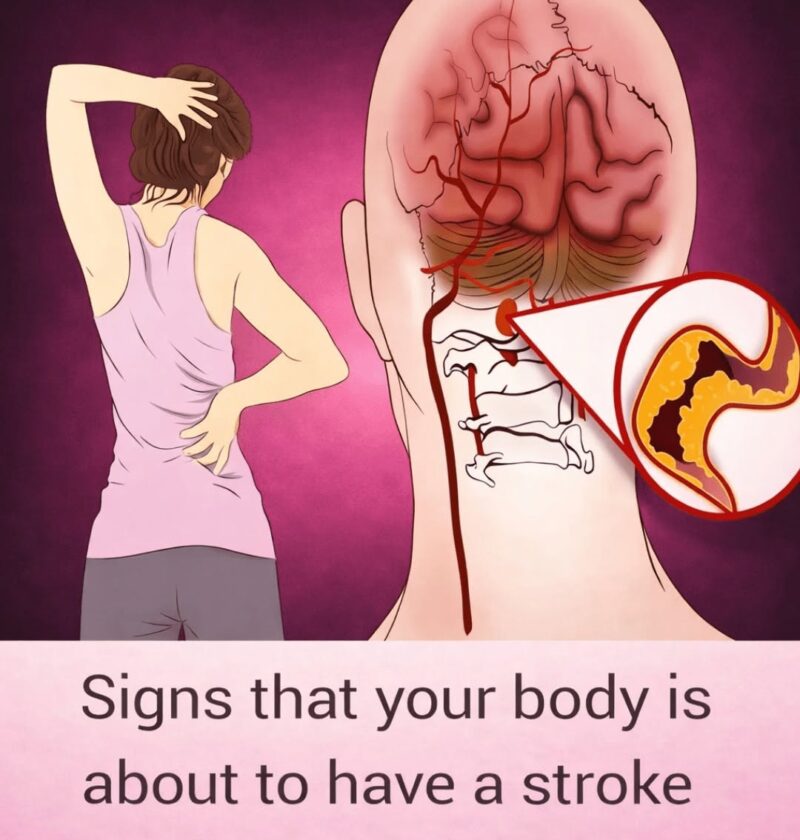
Here are 10 early warning signs of a stroke that everyone should know. Recognizing them quickly can help someone get urgent medical care and reduce the risk of serious complications.
1. Sudden weakness or numbness
- Weakness, tingling, or numbness in the face, arm, or leg, especially on one side of the body, can be a warning sign.
2. Facial drooping
- One side of the face may appear to droop.
- The person may have trouble smiling or keeping both sides of the face even.
3. Trouble speaking or understanding speech
- Speech may become slurred, confused, or difficult to understand.
- The person may struggle to find words or understand others.
4. Sudden confusion
- A person may become unexpectedly disoriented, unable to answer simple questions, or unaware of their surroundings.
5. Sudden vision problems
- Blurred vision, double vision, or loss of vision in one or both eyes can occur.
6. Severe, sudden headache
- A sudden, intense headache with no known cause—especially if accompanied by other symptoms—can signal a stroke.
7. Dizziness or loss of balance
- Sudden dizziness, trouble walking, loss of coordination, or difficulty standing may occur.
8. Difficulty swallowing
- Some people experience sudden problems controlling the muscles needed for swallowing.
9. Trouble moving or poor coordination
- Sudden clumsiness, weakness, or inability to move an arm or leg normally can be a warning sign.
10. Sudden nausea or vomiting (in some cases)
- Especially when combined with dizziness, severe headache, or balance problems, it may indicate a stroke.
Remember the FAST method
A simple way to recognize stroke symptoms:
F — Face: Ask the person to smile. Does one side droop?
A — Arms: Ask them to raise both arms. Does one drift downward?
S — Speech: Ask them to repeat a sentence. Is speech strange or unclear?
T — Time: If any signs appear, seek emergency medical help immediately.
A stroke is a medical emergency. Do not wait for symptoms to improve on their own. Quick treatment can make a major difference in recovery.