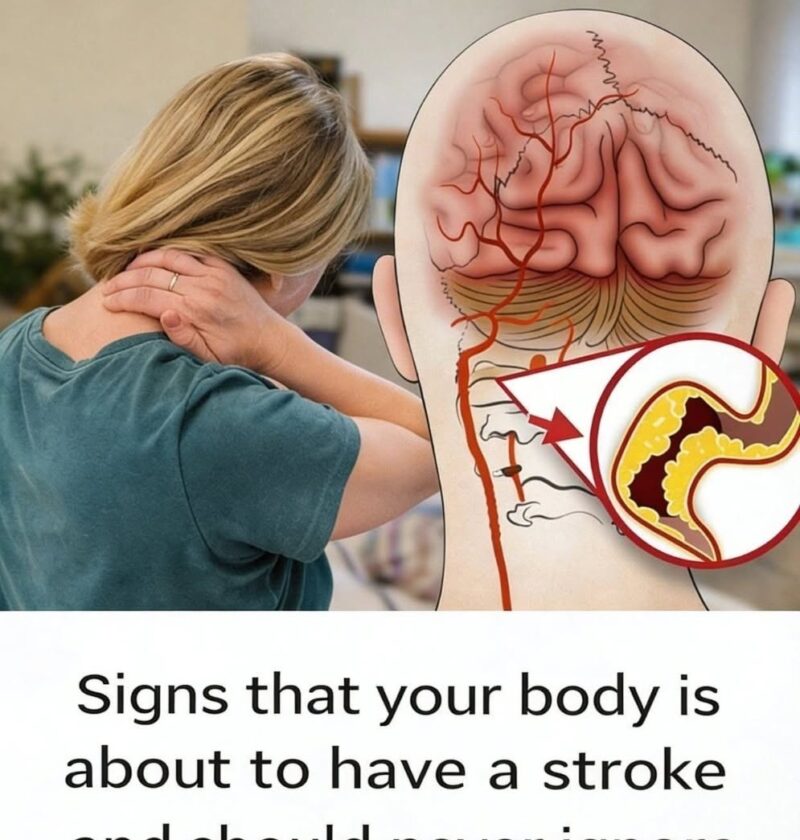
A stroke is a medical emergency, and the key message is simple: don’t wait for “many signs” — even one sudden symptom matters. Most strokes don’t give long warning lists; they happen suddenly.
That said, here are early warning signs and warning symptoms you should never ignore:
🧠 Classic stroke warning signs (FAST method)
These are the most important:
- F – Face drooping (one side of the face feels weak or uneven)
- A – Arm weakness (one arm drifts down when raised)
- S – Speech trouble (slurred, confused, or hard to speak)
- T – Time to act immediately (call emergency services)
⚠️ Other possible early warning symptoms
1. Sudden numbness or weakness
- Especially on one side of the body (face, arm, or leg)
2. Sudden confusion
- Trouble understanding speech or thinking clearly
3. Sudden vision problems
- Blurred vision or loss of vision in one or both eyes
4. Sudden dizziness or loss of balance
- Trouble walking, coordination problems, or falling
5. Severe sudden headache
- Often described as “the worst headache of my life” (more common in hemorrhagic stroke)
6. Trouble speaking or understanding
- Words come out wrong or make no sense
7. Sudden numbness in face or limbs
- Tingling or “dead feeling” on one side
8. Loss of coordination
- Dropping objects, stumbling, or inability to control movements
9. Sudden nausea or vomiting
- Especially when combined with other neurological symptoms
10. Brief stroke-like episodes (TIA)
- Symptoms disappear within minutes or hours
- Called a transient ischemic attack (TIA) — a major warning sign of a future stroke
🚨 Important reality
- A stroke usually happens suddenly, not gradually
- Even if symptoms go away, it can still be serious (especially TIA)
- Immediate treatment can save brain function and life
⏱️ What to do if you suspect a stroke
- Call emergency services immediately
- Do NOT wait for symptoms to improve
- Note the time symptoms started (very important for treatment)
🧩 Bottom line
There is no safe “watch and wait” stage for stroke symptoms. Even one sudden neurological change = emergency.
If you want, I can also explain:
- How to tell stroke vs migraine vs anxiety
- Or how to reduce stroke risk with lifestyle changes that actually work (not myths)