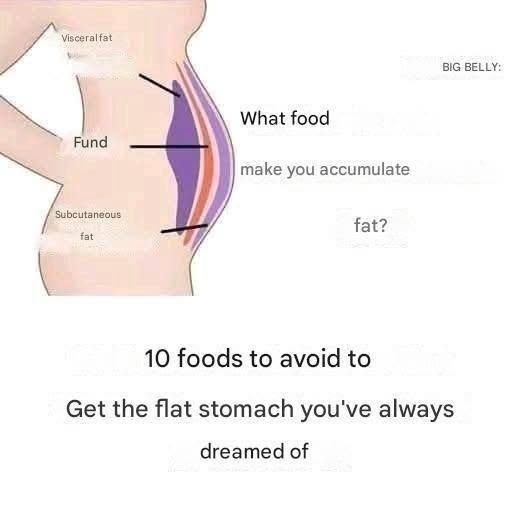
Expert Nutrition Guide to Foods That Can Prevent a Flat Stomach (SEO-Optimized Weight Loss Article)
Understanding Belly Fat and the Goal of a Flat Stomach
A flat stomach is one of the most common fitness and wellness goals worldwide. However, achieving it is not only about exercise—it is deeply connected to daily nutrition choices, digestion, inflammation levels, and lifestyle habits.
Excess abdominal fat and bloating can be influenced by what you eat regularly. Certain foods may contribute to water retention, gas production, insulin spikes, or slow digestion, all of which can make the stomach appear larger or feel uncomfortable.
Nutrition experts emphasize that there is no single “magic food” for fat loss. Instead, long-term results come from reducing foods that promote fat storage and replacing them with nutrient-dense, whole-food alternatives.
In this guide, we explore 10 common foods that are often linked with bloating, weight gain, or difficulty achieving a flatter midsection. The goal is not to demonize foods, but to help you understand how they affect your body so you can make more informed choices.
1. Sugary Soft Drinks and Fizzy Beverages
One of the biggest contributors to belly fat accumulation is sugary soda and carbonated drinks. These beverages are high in added sugars and provide no nutritional value, often referred to as “empty calories.”
Regular consumption can lead to increased insulin levels, which encourages fat storage, particularly around the abdominal area. Additionally, carbonated drinks can introduce excess gas into the digestive system, causing bloating and a visibly distended stomach.
Even “diet” sodas may not be ideal, as artificial sweeteners can sometimes disrupt gut bacteria and increase cravings for sweet foods.
Healthier alternative: infused water, herbal teas, or plain water with lemon.
2. Refined White Bread and Pastries
White bread, croissants, and many bakery items are made from refined flour, which has been stripped of fiber and nutrients. Without fiber, digestion becomes slower and less efficient, often leading to constipation and bloating.
These foods also have a high glycemic index, meaning they quickly raise blood sugar levels. This can trigger fat storage, especially in the abdominal region when consumed frequently.
Switching to whole grain or multigrain options can support better digestion and improved satiety.
3. Deep-Fried Fast Foods
French fries, fried chicken, and other deep-fried items are high in unhealthy trans fats and saturated fats. These fats are linked to inflammation and increased visceral fat—the type of fat that accumulates around internal organs.
Deep-fried foods are also calorie-dense, meaning small portions contain a large number of calories, making weight management more difficult.
In addition, these foods slow digestion and can cause heaviness and bloating after meals.
Healthier alternative: grilled, baked, or air-fried versions of your favorite foods.
4. Sugary Breakfast Cereals
Many commercial breakfast cereals marketed as “healthy” are actually loaded with sugar and refined grains. Starting your day with a high-sugar meal can spike blood sugar levels and lead to energy crashes later.
These fluctuations can increase hunger and cravings throughout the day, contributing to overeating and abdominal fat gain.
Choosing high-fiber breakfasts like oats, eggs, or natural yogurt can support a flatter stomach and better metabolic balance.
5. Processed Meats (Sausages, Hot Dogs, and Bacon)
Processed meats are often high in sodium, preservatives, and unhealthy fats. Excess sodium causes water retention, which can make the stomach look swollen and bloated.
These meats are also linked to inflammation when consumed frequently, which may interfere with fat metabolism and overall digestive health.
While they are convenient, reducing intake can significantly improve long-term health and body composition.
Healthier alternative: lean chicken, fish, or plant-based protein sources.
6. Packaged Snacks and Chips
Chips, crackers, and other packaged snacks are typically high in salt, refined carbohydrates, and unhealthy oils. These ingredients contribute to water retention and poor digestion.
Because they are designed to be highly palatable, it is easy to overeat them without realizing how many calories are consumed.
Frequent snacking on processed foods can disrupt calorie balance and make fat loss more difficult, especially around the abdominal area.
Healthier alternative: nuts, seeds, or air-popped popcorn in moderation.
7. Alcoholic Beverages
Alcohol is a major factor in preventing a flat stomach. It is high in calories and can slow down fat metabolism in the liver.
When alcohol is consumed, the body prioritizes breaking it down over burning fat, which can temporarily stall fat loss. It also tends to increase appetite and reduce self-control around food choices.
Beer, in particular, is often associated with “beer belly” due to its combination of calories and bloating effects.
Healthier alternative: sparkling water with lime or non-alcoholic beverages.
8. High-Sugar Desserts and Sweets
Cakes, candies, donuts, and ice cream are high in refined sugar and fats. These foods cause rapid spikes in blood sugar, followed by crashes that can increase hunger and cravings.
Excess sugar intake is one of the most well-documented contributors to abdominal fat accumulation over time.
These foods are best enjoyed occasionally rather than as daily stapl