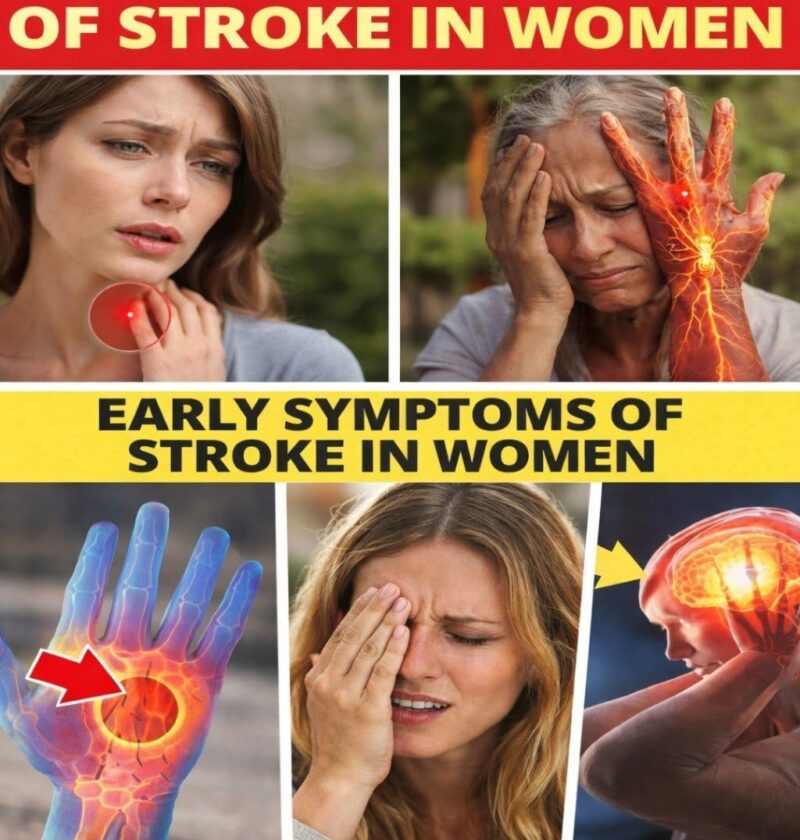
10 Symptoms of a Stroke in Women (Rapid Detection)
Stroke symptoms are largely the same in women and men, although women may sometimes experience additional, less typical symptoms. A stroke is a medical emergency—early treatment can greatly improve the chance of recovery.
Use the FAST Test
The easiest way to remember the most common warning signs is FAST:
- F – Face: One side of the face droops or feels numb. Ask the person to smile.
- A – Arms: One arm is weak or numb. Ask the person to raise both arms.
- S – Speech: Speech is slurred, confused, or difficult to understand.
- T – Time: If any of these signs are present, call your local emergency services immediately.
10 Stroke Symptoms to Watch For
1. Sudden weakness or numbness
Especially on one side of the body, affecting the face, arm, or leg.
2. Trouble speaking or understanding speech
The person may slur words, use the wrong words, or have difficulty understanding others.
3. Sudden vision problems
This may include blurred vision, double vision, or loss of vision in one or both eyes.
4. Severe headache
A sudden, very severe headache with no obvious cause—especially if different from previous headaches.
5. Difficulty walking
Loss of balance, dizziness, or poor coordination that starts suddenly.
6. Confusion
Sudden confusion, disorientation, or trouble thinking clearly.
7. Numbness or tingling
A sudden change in sensation, usually affecting one side of the body.
8. Sudden dizziness or vertigo
Especially when accompanied by other stroke symptoms.
9. Difficulty swallowing
Some strokes can affect the muscles used for swallowing.
10. Less Typical Symptoms Seen More Often in Women
Women may also experience symptoms such as:
- Sudden extreme fatigue
- Nausea or vomiting
- Fainting or loss of consciousness
- Sudden shortness of breath
- Abrupt changes in mental status or responsiveness
These symptoms can have many causes, but if they occur suddenly along with any typical stroke symptoms, they require immediate medical attention.
When to Seek Emergency Help
Call your local emergency services immediately if you or someone else develops any sudden signs of a stroke. Do not wait to see if the symptoms improve, even if they go away after a few minutes. A temporary episode could be a transient ischaemic attack (TIA or “mini-stroke”), which is also a medical emergency because it can be a warning sign of a future stroke.
Reducing Stroke Risk
You can lower your risk by:
- Keeping blood pressure under control
- Managing diabetes and cholesterol
- Not smoking
- Exercising regularly
- Eating a balanced diet
- Taking prescribed medicines as directed, if applicable