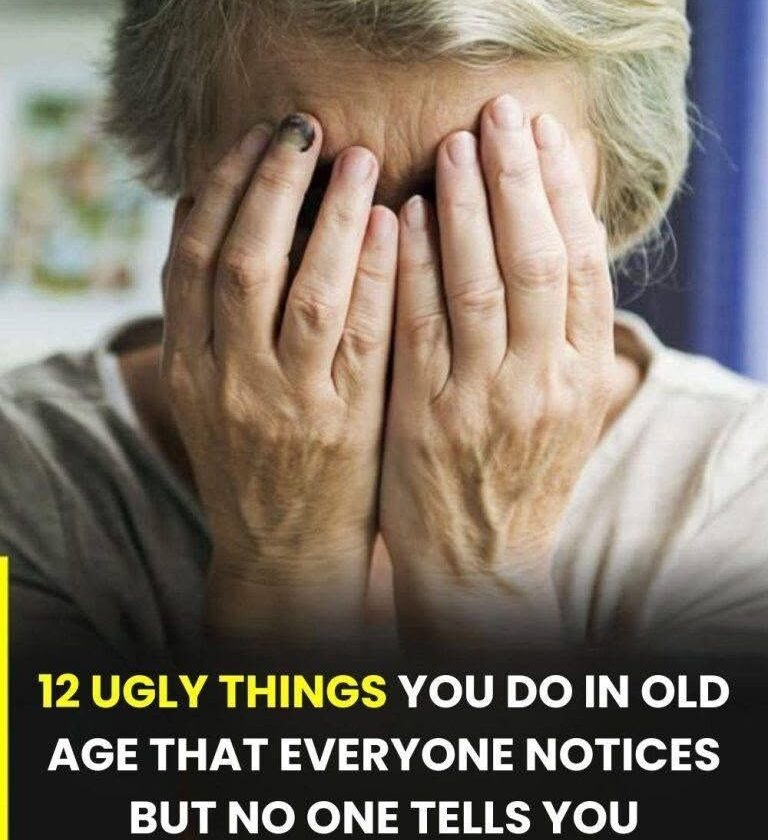
That title is a classic clickbait format. It plays on fear of aging and social embarrassment to get people to watch or read more.
A more balanced way to think about it is that some age-related changes can become noticeable, but they aren’t universal, and many have practical solutions. Examples include:
- Hearing loss, which may lead to speaking loudly or asking people to repeat themselves.
- Speaking more quietly because vocal strength can decrease with age.
- Changes in body odor, sometimes due to medications, skin changes, or hygiene challenges.
- Bad breath, which can be related to dry mouth, dental issues, or certain medications.
- Neglecting hearing or vision changes, making conversations or navigation more difficult.
- Repeating stories or questions, which can happen for many reasons, including normal memory changes or hearing difficulties.
- Poor-fitting dentures or dental problems, which can affect speech and eating.
- Reduced mobility, making it harder to keep up with housekeeping or personal care.
- Strong use of perfumes or air fresheners to mask odors, which can be overwhelming to others.
- Changes in table manners, sometimes due to tremors, arthritis, or swallowing difficulties.
- Forgetting appointments or names more often than before, though significant memory changes should be evaluated.
- Ignoring health concerns because they seem like “just getting older,” when some are actually treatable.
The important point is that none of these are inevitable or reasons for embarrassment. Many can be improved with regular medical and dental care, hearing and vision checks, exercise, and support when needed.
If you saw this as the title of a YouTube video or article, it’s designed to provoke curiosity and anxiety. The underlying advice—pay attention to hearing, hygiene, mobility, and health—is reasonable, but the sensational framing often exaggerates the message.