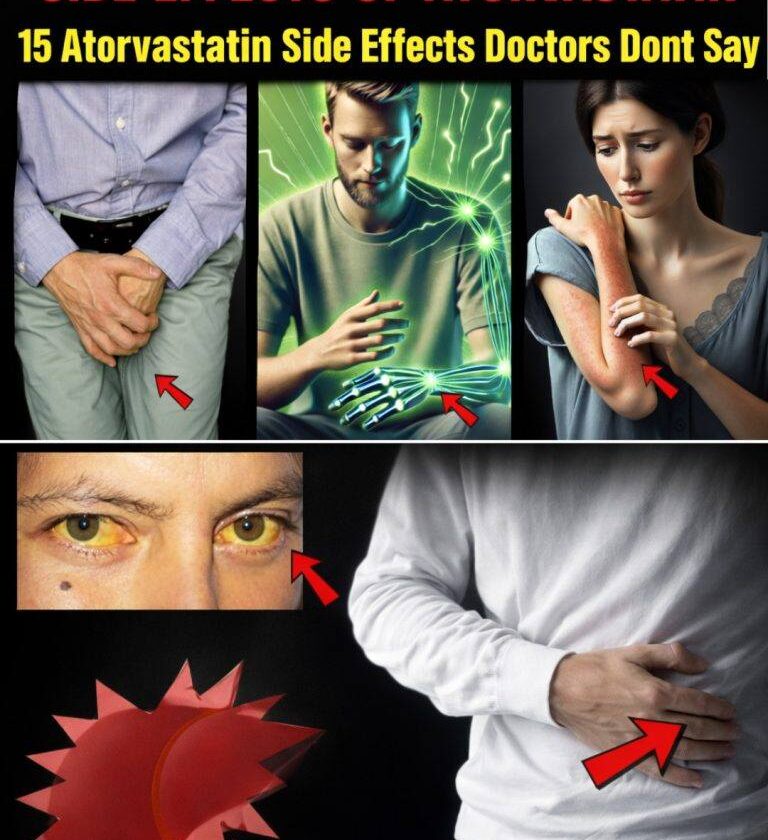
Atorvastatin is a widely used statin medication for lowering LDL cholesterol and reducing cardiovascular risk. Most people tolerate it well, but there are several lesser-known or under-discussed side effects that can occur in some users—especially at higher doses, in older adults, or when combined with other medications.
Below are 15 lesser-known side effects and practical ways to manage them.
1. Subtle memory and concentration changes
Some people report mild forgetfulness, “brain fog,” or difficulty focusing.
What to do:
- Track symptoms over 2–4 weeks
- Improve sleep quality and hydration
- Discuss dose adjustment or switching statins with a clinician if persistent
2. Sleep disturbances (insomnia or vivid dreams)
Statins can affect sleep patterns in a small subset of users.
Management:
- Take atorvastatin in the morning (if approved by your doctor)
- Reduce caffeine late in the day
- Maintain consistent sleep schedule
3. Digestive discomfort beyond common nausea
Includes bloating, acid reflux, or mild constipation.
Management:
- Take with food
- Avoid heavy fatty meals at dosing time
- Increase fiber and water intake
4. Mild mood changes or irritability
Rare but reported in post-marketing data.
Management:
- Monitor emotional changes after starting or increasing dose
- Rule out sleep or stress factors first
- Consult if symptoms persist >2–3 weeks
5. Elevated blood sugar levels
Statins may slightly increase fasting glucose in some individuals.
Management:
- Regular glucose or HbA1c monitoring
- Diet low in refined carbs
- Physical activity (even walking helps insulin sensitivity)
6. Unusual fatigue not explained by activity
Some users feel persistent tiredness.
Management:
- Check thyroid, vitamin D, and iron if fatigue continues
- Ensure adequate hydration
- Consider timing dose change
7. Joint stiffness or mild joint pain
Not always muscular—sometimes feels like arthritis-like discomfort.
Management:
- Gentle stretching and mobility exercises
- Omega-3-rich diet (fish, flaxseed)
- Report persistent symptoms
8. Tingling or mild peripheral neuropathy sensations
Pins-and-needles in hands/feet in rare cases.
Management:
- Check vitamin B12 levels
- Monitor progression carefully
- Medical review if worsening
9. Skin reactions (rash or itching)
Usually mild but can be persistent.
Management:
- Switch to a different statin if needed
- Avoid new skincare products that could confuse diagnosis
- Antihistamines may help short-term (doctor-guided)
10. Elevated liver enzymes without symptoms
Often discovered on routine blood tests.
Management:
- Regular liver function tests
- Avoid alcohol or keep intake minimal
- Dose adjustment if levels remain elevated
11. Muscle weakness without significant pain
Different from classic muscle soreness—may feel like reduced strength.
Management:
- Report early; don’t ignore gradual decline
- Check creatine kinase (CK) levels if advised
- Temporary discontinuation may be considered medically
12. Tendon discomfort (rare)
Some statin users report tendon soreness or stiffness.
Management:
- Reduce high-impact exercise temporarily
- Gentle stretching and rest
- Medical evaluation if pain persists
13. Sexual dysfunction (low libido or performance changes)
Less commonly discussed but reported in some cases.
Management:
- Review cardiovascular health factors (often the main cause)
- Check hormone levels if appropriate
- Lifestyle optimization (sleep, exercise)
14. Headaches or pressure-like sensations
Usually mild and temporary after starting or dose increase.
Management:
- Hydration and regular meals
- Monitor timing with dose changes
- Simple analgesics if needed (doctor-approved)
15. Muscle breakdown risk (rare but serious: rhabdomyolysis)
Extremely uncommon but important: severe muscle pain, dark urine, weakness.
Management:
- Seek urgent medical care if symptoms appear
- Avoid combining with interacting drugs unless supervised
- Stay hydrated, especially during illness or heat
When to be more cautious
Risk of side effects increases if you:
- Are over 65
- Have kidney or liver disease
- Take interacting drugs (some antibiotics, antifungals, or fibrates)
- Do intense physical training
- Are dehydrated or fasting for long periods
Bottom line
Atorvastatin is highly effective for reducing heart attack and stroke risk, and most side effects are mild or manageable. The key is not stopping it abruptly without medical guidance, but instead tracking symptoms and discussing adjustments if needed.
If you want, I can also break down:
- how atorvastatin compares with other statins (like rosuvastatin or simvastatin)
- or a “when to worry vs when to ignore” symptom guide tailored to your situation