A mini-stroke, also called a transient ischemic attack (TIA), happens when blood flow to part of the brain is briefly interrupted. Symptoms may disappear within minutes or hours, but a TIA can be a warning sign of a possible future stroke and should be treated as a medical emergency.
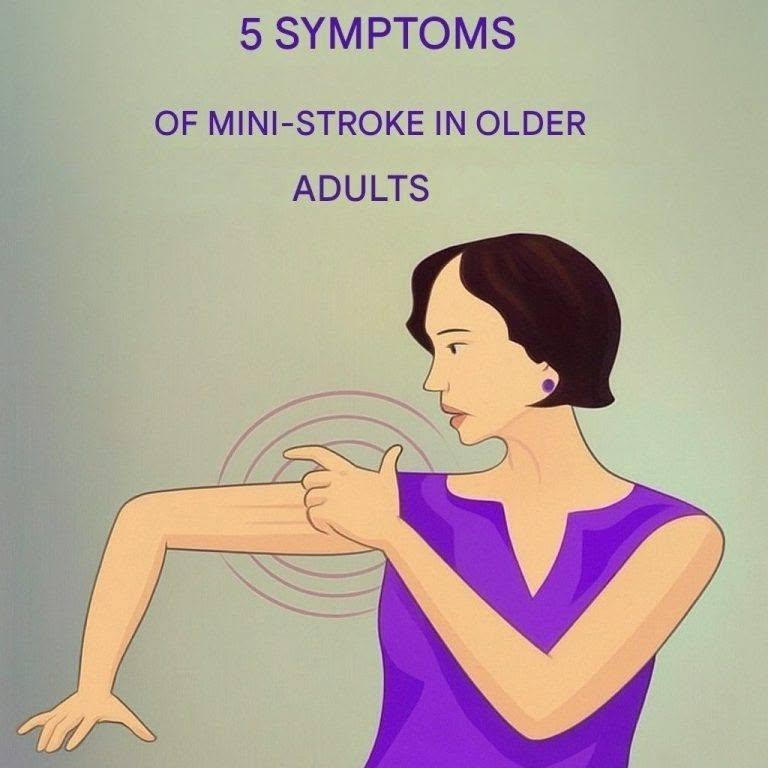
5 Symptoms of a Mini Stroke in Seniors That Shouldn’t Be Ignored
- Sudden weakness or numbness
- Weakness, tingling, or loss of feeling—especially on one side of the face, arm, or leg—can be a warning sign.
- Sudden trouble speaking or understanding speech
- Slurred speech, difficulty finding words, confusion, or trouble understanding others may occur.
- Sudden vision changes
- Blurred vision, double vision, or temporary loss of vision in one or both eyes should be taken seriously.
- Sudden dizziness, loss of balance, or difficulty walking
- Unexplained dizziness, coordination problems, or feeling unsteady can indicate a problem affecting the brain.
- Sudden severe headache or unusual head pain
- A sudden, intense headache—especially if different from usual—may be a warning sign, particularly when combined with other symptoms.
Remember the FAST warning signs
- F — Face: Ask the person to smile. Does one side droop?
- A — Arms: Ask them to raise both arms. Does one drift downward?
- S — Speech: Is speech slurred or strange?
- T — Time: Call emergency services immediately if any sign appears.
Even if symptoms go away, a TIA still requires medical evaluation because it can signal a higher risk of a major stroke in the near future.