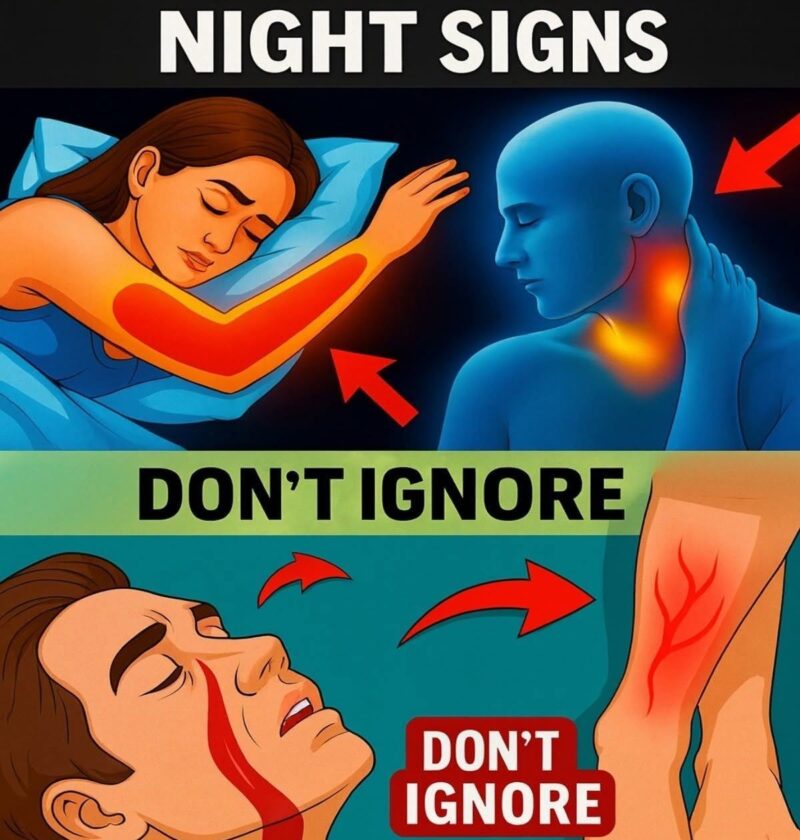
7 Nighttime Signs of Diabetes + 8 Tips to Help Avoid Blood Sugar Spikes Without Cutting Carbs
Diabetes can sometimes cause symptoms that are more noticeable at night. However, these signs are not specific to diabetes alone and can occur for many other reasons. If you notice several of them, especially with risk factors such as family history, excess weight, or high blood pressure, consider discussing screening with a healthcare professional.
7 Nighttime Signs That May Be Linked to High Blood Sugar
1. Waking Up Frequently to Urinate
High blood sugar can cause the kidneys to remove extra glucose through urine, which may increase nighttime bathroom trips.
2. Excessive Thirst at Night
Frequent urination can lead to fluid loss, causing increased thirst or a dry mouth.
3. Night Sweats or Feeling Shaky
Blood sugar that drops too low during sleep (especially in people taking certain diabetes medications) may cause sweating, trembling, or waking suddenly.
4. Trouble Sleeping
Blood sugar fluctuations may contribute to restlessness, frequent waking, or difficulty staying asleep.
5. Unusual Fatigue in the Morning
Poor overnight blood sugar control can leave some people feeling tired even after enough hours of sleep.
6. Increased Hunger After Waking
Blood sugar changes overnight may affect appetite and hunger signals.
7. Slow-Healing Cuts or Frequent Infections
While not only a nighttime symptom, these can be signs that blood sugar may be affecting the body’s ability to repair and defend itself.
8 Tips to Help Reduce Blood Sugar Spikes Without Eliminating Carbohydrates
1. Choose Higher-Fiber Carbohydrates
Instead of avoiding carbs completely, focus on:
- Beans and lentils
- Vegetables
- Whole grains
- High-fiber fruits
Fiber slows digestion and can reduce rapid glucose rises.
2. Pair Carbs With Protein
Adding protein can help create a more balanced meal.
Examples:
- Eggs with whole-grain toast
- Yogurt with berries
- Beans with brown rice
3. Include Healthy Fats
Healthy fats can slow digestion and improve meal satisfaction.
Examples:
- Nuts
- Seeds
- Olive oil
- Avocado
4. Watch Portion Sizes
Even nutritious carbohydrates can raise blood sugar when portions are very large.
5. Eat Carbs After Vegetables and Protein
Some research suggests that eating non-starchy vegetables and protein before carbohydrate-rich foods may help reduce the glucose rise after a meal.
6. Take a Walk After Meals
A short walk after eating can help muscles use glucose and may improve blood sugar control.
7. Avoid Sugary Drinks
Liquid sugars can raise blood glucose quickly because they are absorbed rapidly