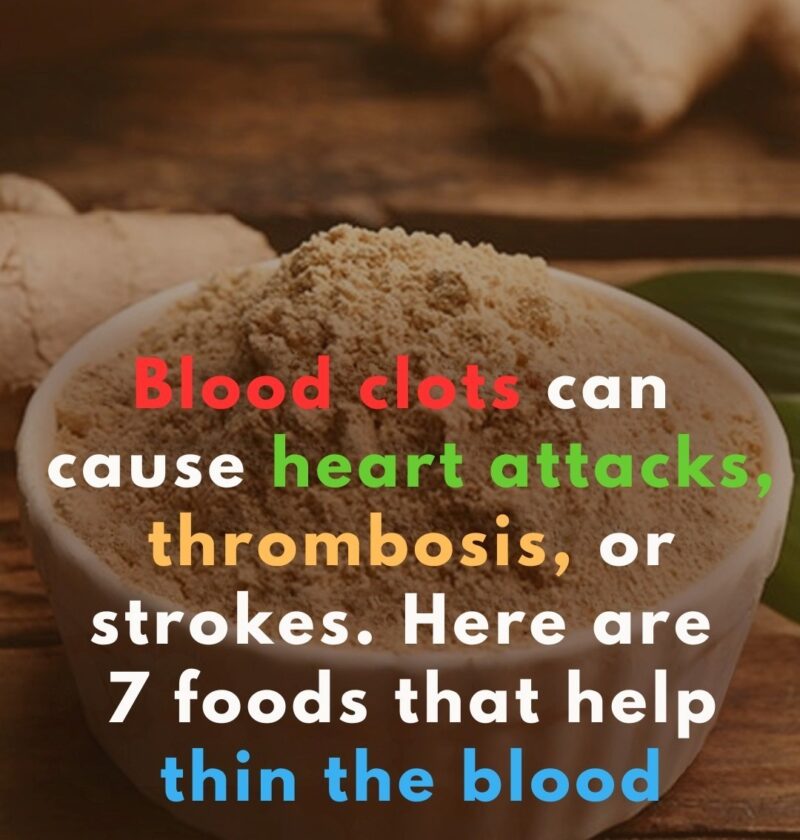
Understanding “Blood-Thinning Foods” in a Safe and Accurate Way
The term “blood-thinning foods” is widely used online, but medically speaking, food does not directly “thin” the blood like prescription anticoagulant medications do.
Instead, certain foods may support healthy blood flow, help reduce excessive clot formation tendencies, or support cardiovascular health through:
- Anti-inflammatory compounds
- Natural antioxidants
- Omega-3 fatty acids
- Improved circulation support
- Reduced platelet aggregation (mild, natural effect)
This is why they are often associated with heart health and circulation improvement in general wellness discussions.
However, it is important to be clear:
👉 These foods are supportive, not therapeutic replacements for medical blood thinners like warfarin or aspirin.
Why Blood Flow Health Matters
Healthy blood circulation is essential for delivering oxygen and nutrients throughout the body. When circulation is impaired, it may contribute to:
- Fatigue
- Cold hands and feet
- Higher cardiovascular risk
- Poor oxygen delivery to tissues
- Increased strain on the heart
Diet plays a major role in maintaining vascular health. Over time, consistent consumption of nutrient-rich foods can support better blood vessel function and overall heart wellness.
1. Garlic – A Natural Circulation Support Food
Garlic
Garlic has been used in traditional medicine for centuries. It contains sulfur compounds, especially allicin, which is studied for its potential role in cardiovascular health.
How it may support blood flow:
- May help support healthy cholesterol levels
- May promote normal platelet function
- Supports healthy blood vessel elasticity
Garlic is commonly consumed raw, cooked, or added to meals.
Best ways to use it:
- Crushed raw garlic in salad dressings
- Lightly sautéed in cooking
- Added to soups and sauces
2. Ginger – A Warming Root for Circulation
Ginger
Ginger is widely used in Asian and Middle Eastern cooking and traditional wellness systems. It contains bioactive compounds like gingerol.
How it may support blood flow:
- May help reduce inflammation in blood vessels
- May support smooth circulation
- Traditionally linked with improved blood flow sensation
Common uses:
- Ginger tea
- Fresh grated ginger in meals
- Added to smoothies or soups
3. Turmeric – Golden Spice for Heart Wellness
Turmeric
Turmeric contains curcumin, a compound extensively studied for its anti-inflammatory properties.
How it may support circulation:
- May support healthy inflammatory response
- May help maintain vascular flexibility
- Often included in heart-healthy diets
Important note:
Curcumin absorption improves when combined with black pepper.
How to consume:
- Golden milk
- Curries
- Warm herbal drinks
4. Fatty Fish – Rich in Omega-3 Healthy Fats
Salmon
Fatty fish like salmon are rich in omega-3 fatty acids (EPA and DHA).
How it may support blood health:
- Supports healthy triglyceride levels
- May help reduce excessive blood clot tendency
- Supports heart rhythm and vascular function
Other examples:
- Sardines
- Mackerel
- Tuna
Best cooking methods:
- Grilled
- Baked
- Light pan-seared (not deep-fried)
5. Olive Oil – Heart-Friendly Healthy Fat Source
Olive oil
Olive oil, especially extra virgin olive oil, is a cornerstone of the Mediterranean diet.
How it supports circulation:
- Rich in monounsaturated fats
- Contains antioxidants like polyphenols
- Supports healthy blood vessel function
How to use:
- Salad dressing base
- Drizzled over vegetables
- Light cooking (low to medium heat)
6. Berries – Antioxidant Power for Blood Vessel Health
Blueberries
Berries such as blueberries, strawberries, and raspberries are rich in flavonoids and antioxidants.
How they may support blood flow:
- Support healthy blood vessel lining (endothelium)
- Help reduce oxidative stress
- Support normal circulation function
Best ways to eat:
- Fresh as snacks
- Added to yogurt
- Blended into smoothies
7. Onions – Natural Plant Compound Support
Onion
Onions contain quercetin, a plant flavonoid studied for cardiovascular support.
How they may support circulation:
- May support healthy inflammatory response
- May assist normal blood vessel function
- Common in heart-friendly diets
How to consume:
- Raw in salads (stronger effect)
- Cooked in meals
- Caramelized in dishes
How These Foods Work Together in a Healthy Diet
These foods are most effective when combined in a balanced eating pattern. For example, a heart-supportive daily diet might include:
- Garlic and olive oil in cooking
- Ginger or turmeric tea
- Fatty fish a few times per week
- Fresh berries as snacks
- Onions in meals
This combination supports multiple aspects of cardiovascular wellness:
- Inflammation balance
- Antioxidant protection
- Healthy fat intake
- Nutrient-rich circulation support
Important Safety Warning (Very Important)
If you are currently taking blood-thinning medications such as:
- Warfarin
- Aspirin
- Clopidogrel
You should consult a healthcare professional before significantly increasing intake of these foods, especially garlic, ginger, turmeric, or omega-3 supplements.
Even natural foods can sometimes interact with medications when consumed in large amounts.
Lifestyle Factors That Matter Even More Than Diet
Food is only one part of circulation health. Other key factors include:
- Regular physical activity (walking, stretching)
- Staying hydrated
- Avoiding smoking
- Managing stress levels
- Maintaining healthy body weight
Together, these create the strongest foundation for cardiovascular wellness.
Final Thoughts
“Blood-thinning foods” is a simplified term, but what these foods truly offer is natural support for heart health and healthy circulation.
Including ingredients like garlic, ginger, turmeric, fatty fish, olive oil, berries, and onions in your diet regularly can contribute to long-term wellness when combined with a balanced lifestyle.
They are not quick fixes—but consistent habits that support the body over time.
Source
- American Heart Association (AHA) – Dietary guidance for cardiovascular health
- Harvard T.H. Chan School of Public Health – Healthy fats and heart disease prevention
- National Institutes of Health (NIH) – Research on omega-3s, flavonoids, and cardiovascular markers
PART 2: Simple “Circulation Support” Daily Diet Add-On
Easy Heart-Healthy Food Mix (Daily Use)
Ingredients:
- 1 clove garlic (crushed)
- 1 teaspoon olive oil
- ½ teaspoon grated ginger
- ½ cup blueberries
- 1 small serving cooked salmon (or any fatty fish)
- A few slices onion
Method:
- Add garlic and olive oil to meals or salad.
- Include ginger in tea or food.
- Eat blueberries as a snack or with breakfast.
- Include fatty fish 2–3 times a week.
- Add onions to salads or cooked dishes.