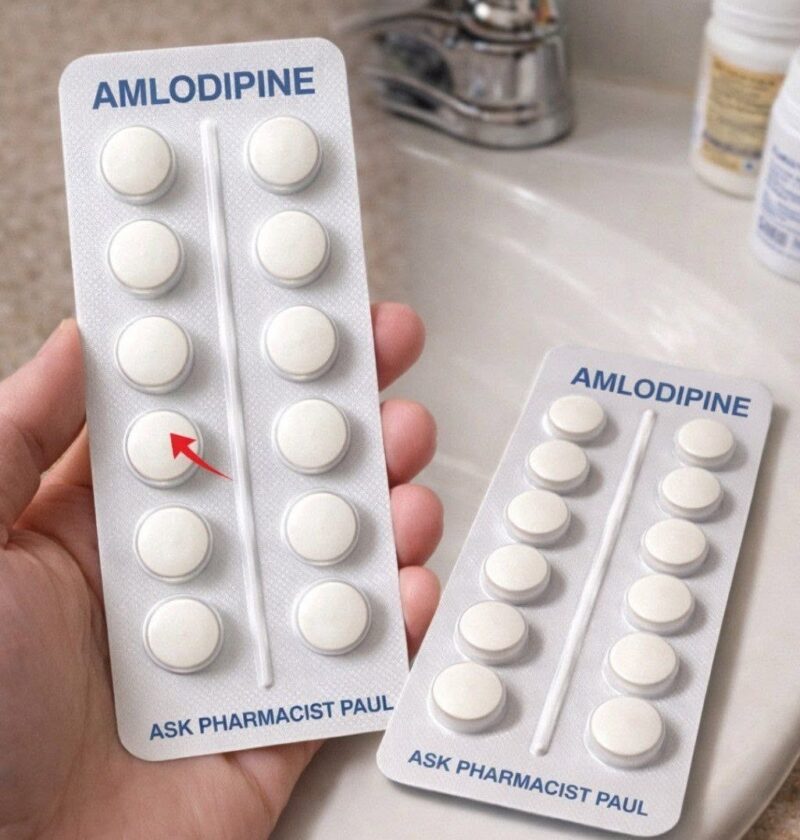
If you take amlodipine (a calcium channel blocker commonly used for high blood pressure and some heart conditions), there are some habits that are worth reviewing because they may affect your blood pressure control, side effects, or overall heart health.
8 habits to avoid or reconsider while taking amlodipine
- Stopping amlodipine suddenly
- Don’t stop it without medical advice. Your blood pressure may rise again, increasing cardiovascular risk.
- Eating a very high-salt diet
- Excess sodium can raise blood pressure and may make it harder for amlodipine to control it.
- Ignoring ankle or leg swelling
- Amlodipine can cause fluid buildup in the ankles or feet. Report persistent or bothersome swelling to your healthcare provider.
- Drinking excessive amounts of alcohol
- Alcohol can lower blood pressure and may increase dizziness or lightheadedness when combined with blood pressure medication.
- Skipping blood pressure checks
- Regular monitoring helps confirm that the dose is working and allows adjustments if needed.
- Taking new medicines or supplements without checking
- Some medications, herbal products, and supplements can affect blood pressure or interact with your treatment.
- Being inactive
- Amlodipine works best as part of an overall heart-healthy plan that includes regular physical activity if you are able.
- Smoking
- Smoking damages blood vessels and increases heart disease and stroke risk, working against the benefits of blood pressure treatment.
Contact a healthcare professional if you experience:
- Severe dizziness or fainting
- New chest pain
- Shortness of breath
- Severe swelling
- A fast or irregular heartbeat
Amlodipine is generally well tolerated, and many people take it safely for years. The key is using it consistently and managing the lifestyle factors that affect blood pressure.