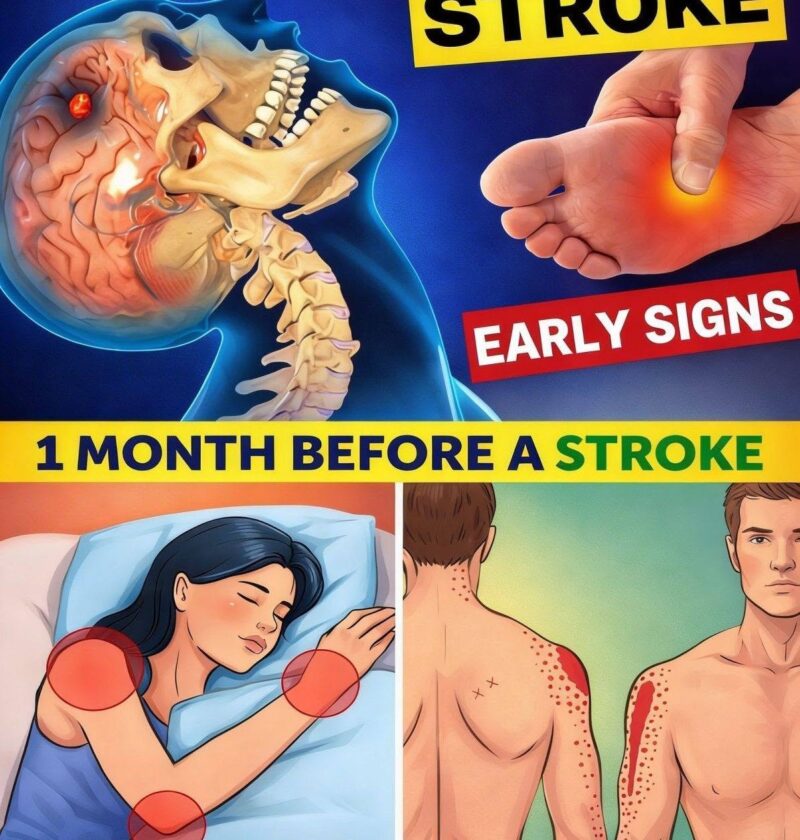
So it’s not a predictable 30-day countdown—it’s warning episodes that can happen anytime before a major event.
🚨 Possible early warning signs (often TIA-related)
These symptoms may come and go and should always be taken seriously:
1. Sudden weakness on one side
Face, arm, or leg—especially if temporary.
2. Brief speech problems
Slurred speech or difficulty finding words.
3. Temporary vision loss or blurring
In one or both eyes (“curtain coming down” feeling).
4. Sudden dizziness or loss of balance
Trouble walking straight or frequent stumbling.
5. Short episodes of confusion
Difficulty understanding or responding normally.
6. Numbness or tingling
Especially on one side of the body.
7. Unusual severe headaches
Sudden, different from normal headaches.
8. Repeated brief neurological episodes
Symptoms that last minutes or hours and then disappear (classic TIA pattern).
🧠 Important medical truth
These are not “1-month warning signs” with a fixed timeline. Instead:
- They indicate high stroke risk
- A stroke may occur hours, days, or weeks later—or not at all
- But risk is significantly increased after a TIA
🛡️ 9 proven ways to help prevent stroke
1. Control blood pressure (most important)
High BP is the #1 risk factor.
2. Manage blood sugar
Important for people with diabetes or prediabetes.
3. Lower LDL cholesterol
Diet + medication if prescribed.
4. Stop smoking
Smoking greatly increases stroke risk.
5. Stay physically active
At least 30 minutes of walking most days.
6. Eat a heart-healthy diet
- fruits & vegetables
- whole grains
- less fried/processed foods
7. Maintain healthy weight
Reduces strain on blood vessels and heart.
8. Limit alcohol
Excess increases blood pressure and stroke risk.
9. Treat underlying conditions
Such as:
- atrial fibrillation
- heart disease
- sleep apnea
🚨 FAST emergency rule
- Face drooping
- Arm weakness
- Speech difficulty
- Time to call emergency services immediately
🧠 Bottom line
Stroke is not usually predictable one month in advance, but TIA-like symptoms are serious warning signs that require immediate medical evaluation. Prevention focuses on controlling risk factors, not relying on early “signals.”
If you want, I can also explain how to tell stroke vs low blood sugar, anxiety, or dehydration symptoms, which people often confuse.