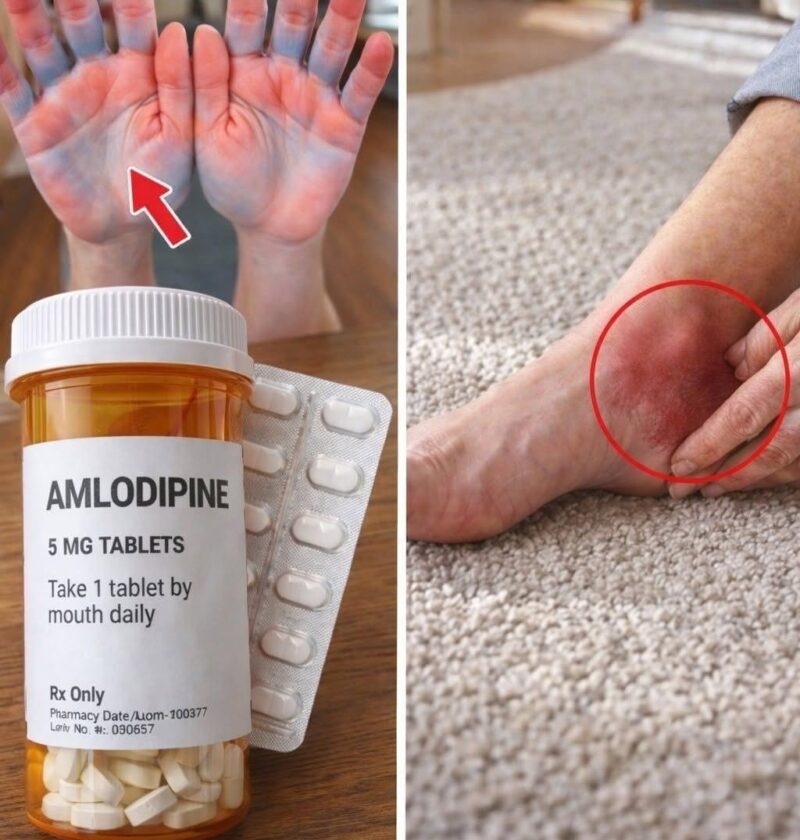
That headline is pure clickbait. There’s nothing a doctor is “praying you don’t discover.” What matters is understanding real, known side effects of Metoprolol so you can use it safely—not fear it.
Metoprolol is a beta-blocker commonly prescribed for high blood pressure, chest pain, heart rhythm issues, and after heart attacks.
👍 Common (usually mild) side effects
These are well-known and often improve over time:
- Fatigue or low energy
- Dizziness (especially when standing up quickly)
- Slow heart rate
- Cold hands or feet
- Mild nausea
⚠️ Less common but important effects
These may need dose adjustment or medical review:
- Low blood pressure
- Depression or mood changes (in some people)
- Sleep disturbances or vivid dreams
- Shortness of breath (especially in people with asthma/COPD)
🚨 Rare but serious effects (seek medical attention)
- Very slow heartbeat (bradycardia causing fainting or weakness)
- Worsening heart failure symptoms (swelling, severe fatigue, breathlessness)
- Severe allergic reactions (very rare)
🧠 Important safety context
Metoprolol is often prescribed because it reduces the risk of serious heart problems, especially in people with:
- hypertension
- Prior heart attack
- Certain arrhythmias
So even though side effects exist, the medication often prevents more dangerous outcomes than it causes.
⚠️ Key warning
Do NOT stop metoprolol suddenly. That can cause:
- Rebound high blood pressure
- Increased heart rate
- Chest pain in some patients
Any changes should be done gradually under medical supervision.
Bottom line
Metoprolol has predictable, manageable side effects for most people. Viral posts exaggerate risks while ignoring its strong evidence for protecting the heart.
If you want, I can compare metoprolol with other blood pressure medicines so you can see why doctors choose it.