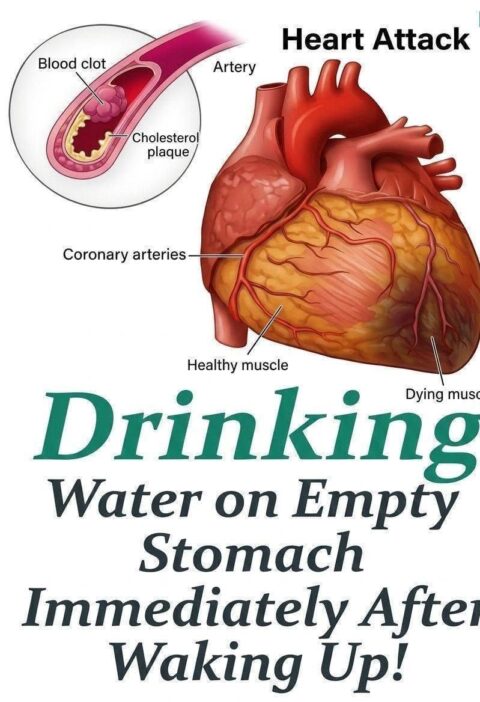
This kind of headline is another clickbait-style exaggeration.
Doctors do not generally tell people to “immediately stop vitamin D” based on a few vague symptoms. However, taking too much Vitamin D over time can lead to toxicity, which causes a condition called hypercalcemia (high calcium levels in the blood).
If someone is truly getting too much vitamin D, these are the real warning symptoms doctors watch for:
1. Persistent nausea or vomiting
Too much calcium can upset the stomach and cause ongoing nausea, loss of appetite, or vomiting.
2. Extreme thirst and frequent urination
High calcium levels can make you dehydrated, leading to constant thirst and increased urination.
3. Unusual weakness or fatigue
Muscles may feel weak, heavy, or tired even without physical exertion.
4. Confusion or difficulty thinking clearly
High calcium can affect the brain, causing brain fog, confusion, or in severe cases, disorientation.
Other possible signs (also important)
- Constipation
- Bone pain
- Kidney pain or kidney stones
- Irregular heartbeat (in severe cases)
Important context
Vitamin D toxicity is rare and usually happens only when:
- Very high doses are taken for a long time
- Multiple supplements containing vitamin D are combined
- Medical dosing is not monitored
Normal doses prescribed or recommended by a doctor are generally safe.
What you should actually do if you suspect a problem
- Don’t panic or abruptly stop medication without context
- Check your dosage and supplements
- Talk to a healthcare professional
- A simple blood test can confirm vitamin D and calcium levels
If you want, I can explain safe daily vitamin D levels, overdose thresholds, and who actually needs supplementation, because that’s where most confusion online comes from.