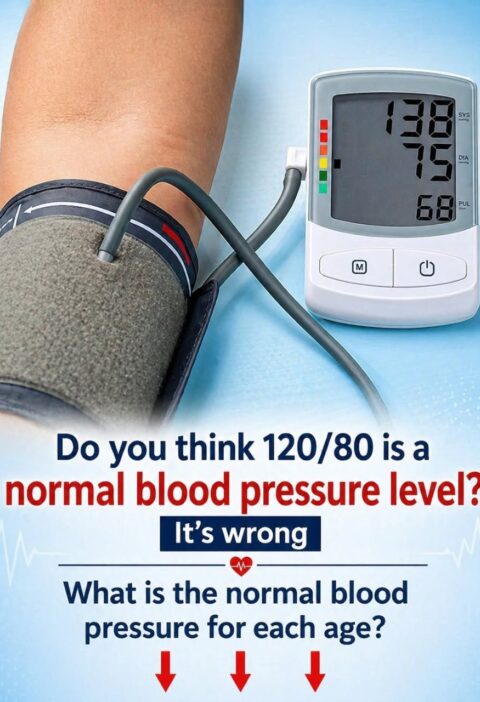
The message you shared is written in a clickbait style that’s commonly used on social media to attract attention, but it’s missing key details—like which medication or which study it’s talking about.
🧠 What it’s usually referring to (in reality)
Posts like this typically point to recent research on blood pressure (hypertension) medications, such as:
- diuretics (“water pills”)
- ACE inhibitors (like lisinopril)
- ARBs (like losartan)
- beta blockers (like metoprolol)
- calcium channel blockers (like amlodipine)
These drugs are among the most commonly prescribed in the world.
⚠️ What “potential risk” usually means in real studies
When researchers report risks, they usually mean things like:
- dizziness or low blood pressure (especially in older adults)
- electrolyte imbalance (sodium/potassium changes)
- kidney function changes in some patients
- increased fall risk in frail elderly people (NIHR Evidence)
These are known, monitored side effects, not hidden dangers.
🧾 Important reality check
- Blood pressure medications are prescribed because they prevent stroke, heart attack, and kidney failure
- Large studies consistently show benefits outweigh risks for most people
- When new “risks” are reported, they are usually:
- already known in medical literature, or
- relevant only to specific subgroups (like very elderly or frail patients)
🚨 Why posts like this spread
They often:
- avoid naming the drug or study
- exaggerate normal side effects as “shocking discoveries”
- leave out context (risk vs benefit balance)
💡 Bottom line
There is no single “hidden dangerous blood pressure drug” being exposed here.
What usually exists is:
well-known medications + ongoing research refining how to use them more safely.
If you want, paste the full article or name of the drug mentioned in your feed, and I’ll break down exactly what the study actually found vs what the post is claiming.