If you’re looking for a general article-style introduction, here’s an example:
🌿 One of the Most Remarkable Plants in Nature
Some plants stand out because of their nutritional value, medicinal history, or ability to thrive in harsh environments. Among the most frequently cited is Moringa, sometimes called the “drumstick tree” or “miracle tree.”
Why It Gets So Much Attention
🌱 Rich in Nutrients
Its leaves contain:
- Vitamins A, C, and E
- Calcium
- Potassium
- Iron
- Plant protein
🛡️ Contains Antioxidants
The plant contains natural compounds that help protect cells from oxidative stress.
🌍 Grows in Difficult Conditions
Moringa can survive in hot, dry climates where many other crops struggle, making it valuable in some regions for nutrition and agriculture.
🍽️ Multiple Uses
Different parts of the plant can be used:
- Leaves in powders or teas
- Pods in cooking
- Seeds for various traditional applications
Important Reality Check
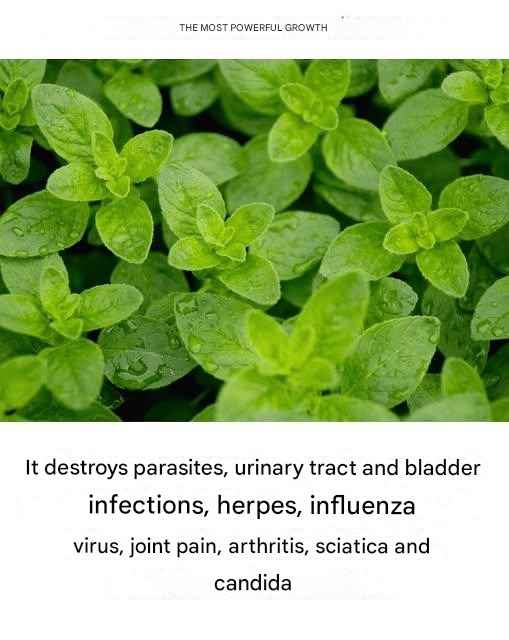
While plants such as Moringa can be nutritious, claims that any plant can “cure” multiple diseases or perform miracles are usually not supported by strong scientific evidence. Plants can be part of a healthy diet, but they are not substitutes for medical treatment.
📌 Bottom Line
Many plants are described as “one of the most powerful in the world,” but the phrase is usually marketing language rather than a scientific classification. The actual benefits depend on the specific plant, how it is used, and what evidence supports its effects.
If you tell me which plant you’re referring to, I can provide detailed information about its benefits, uses, risks, and the scientific evidence behind it.