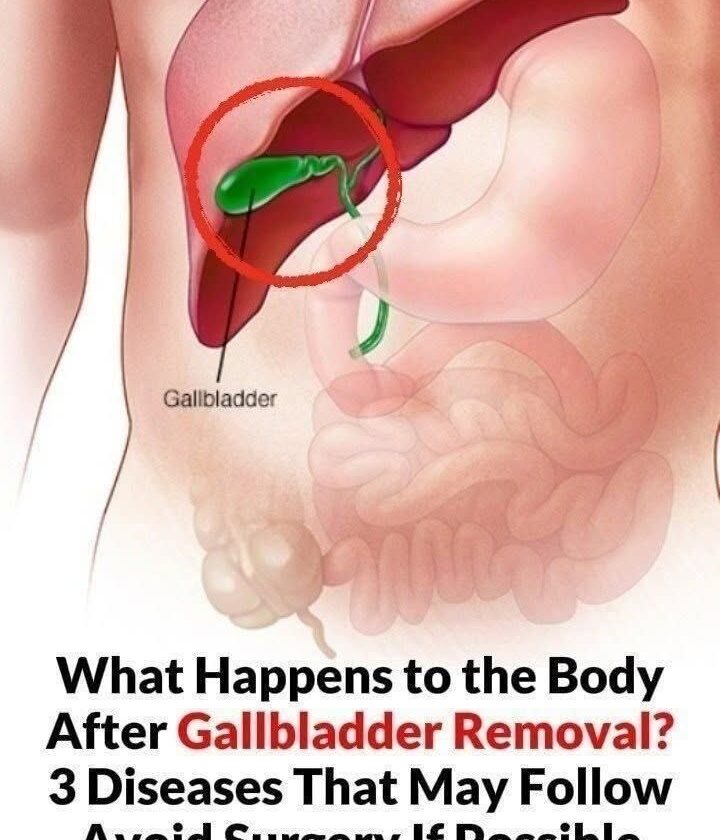
The claim that you should “avoid gallbladder removal when possible” is an oversimplification. In reality, a gallbladder removal surgery (Cholecystectomy) is a very common and often necessary procedure for people with painful or dangerous gallbladder disease, especially gallstones.
For many patients, it prevents serious complications like infection, bile duct blockage, or pancreatitis. However, like any surgery, it can have long-term effects in a small portion of people.
Here are 3 conditions or issues that some people may experience after gallbladder removal:
1. Post-cholecystectomy diarrhea
After removal, bile flows continuously into the intestine instead of being stored.
This can cause:
- Loose stools or urgency after meals
- Worse symptoms after fatty foods
- Temporary or long-term bowel sensitivity
For most people, this improves over time or is manageable with diet changes.
2. Bile reflux or gastritis-like symptoms
Some patients experience irritation in the stomach due to bile flow changes.
Symptoms may include:
- Burning in upper abdomen
- Nausea
- Bloating or discomfort after eating
This is less common, but can happen due to altered bile dynamics.
3. Post-cholecystectomy syndrome
A broad term describing ongoing digestive symptoms after surgery.
It may include:
- Abdominal pain
- Gas and bloating
- Indigestion or food intolerance
Important note: this doesn’t always mean the surgery “caused damage”—sometimes the original condition or bile duct issues are still present.
Important reality check
Saying “avoid surgery when possible” is not always safe advice because:
- Untreated gallstones can cause severe infection
- Gallbladder blockage can become an emergency
- Repeated attacks can damage the pancreas or liver
In medical practice, surgery is usually recommended when:
- Pain is frequent or severe
- Gallstones cause complications
- There is inflammation (cholecystitis)
Can lifestyle help instead?
For mild cases, doctors sometimes suggest:
- Low-fat diet
- Weight management
- Avoiding fried and heavy meals
- Monitoring symptoms closely
But this only applies in selected, non-severe cases.
Bottom line
Cholecystectomy is generally safe and often life-improving when medically needed. A small number of people may experience digestive changes afterward, but for most, the benefits outweigh the risks.
If you want, I can break down who actually qualifies for gallbladder surgery vs who can safely wait, or explain how to manage digestion after removal naturally.