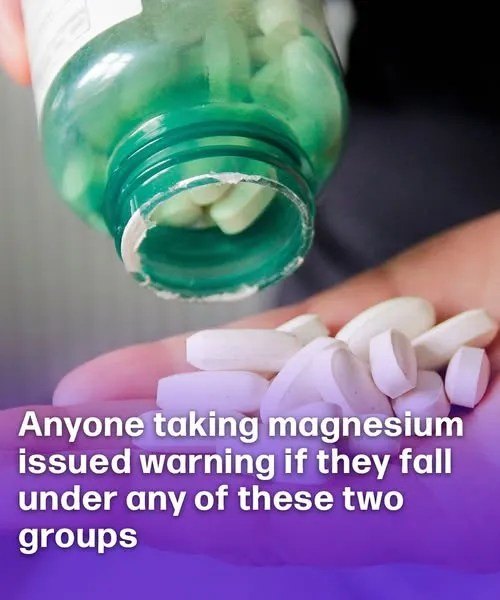
Magnesium is essential for many body functions, and for most healthy people, magnesium from food is very safe. The main concern is high-dose magnesium supplements, particularly in certain groups.
Two groups often considered higher risk
1. People with kidney disease
The kidneys normally remove excess magnesium from the body. If kidney function is impaired, magnesium can accumulate and lead to hypermagnesemia (too much magnesium in the blood).
Possible symptoms include:
- nausea
- weakness
- low blood pressure
- confusion
- slow or irregular heartbeat (in severe cases)
2. Older adults taking multiple medications
Older adults may have reduced kidney function, even without diagnosed kidney disease. They may also be more likely to:
- take magnesium-containing antacids or laxatives
- use multiple medications that affect fluid or electrolyte balance
This can increase the risk of excessive magnesium intake.
Signs of too much magnesium
Seek medical advice if you develop:
- unusual drowsiness
- muscle weakness
- dizziness
- low blood pressure
- difficulty breathing
- abnormal heart rhythm
What about magnesium for sleep, cramps, or constipation?
Magnesium may help some people with:
- certain types of constipation
- magnesium deficiency
- specific medical conditions
However, claims that it reliably cures insomnia, anxiety, or muscle cramps for everyone are often overstated.
Safer approach
- Follow the dose on the product or your clinician’s advice.
- Tell your healthcare provider about all supplements you take.
- Be especially cautious if you have kidney disease or take multiple medications.
Bottom line
The key warning isn’t that magnesium is inherently dangerous. The concern is that people with reduced kidney function and some older adults may be more vulnerable to complications from high-dose magnesium supplements, particularly when taken without medical guidance. If you’re considering magnesium, it’s best to match the dose and type to your specific needs rather than assuming more is better.