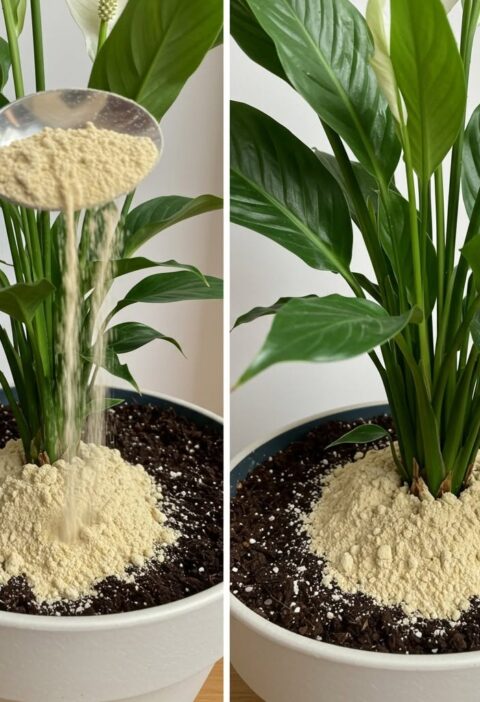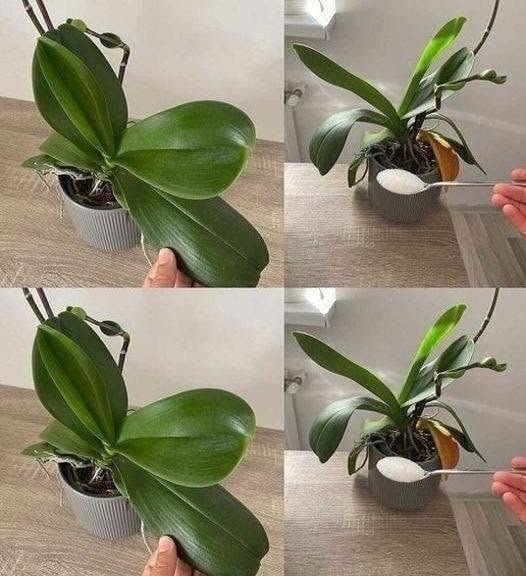
Headlines like “One tablespoon is enough and orchids will bloom continuously” are usually exaggerated. There is no single fertilizer that makes orchids bloom nonstop.
For healthy orchids, the key is a combination of proper light, watering, temperature, and balanced feeding.
🌸 What orchids actually need
Common orchids such as Phalaenopsis orchid typically bloom for weeks or months, then enter a rest period before blooming again. Continuous flowering year-round is not normal for most varieties.
🌱 Fertilizer basics
A balanced orchid fertilizer is usually the safest choice:
- Apply at a diluted strength according to the label.
- Many growers follow the rule: “weakly, weekly” (small amounts more often rather than large doses).
🥄 About homemade “miracle” fertilizers
Online posts often recommend things like:
- Banana peels
- Rice water
- Coffee grounds
- Eggshells
These may add small amounts of nutrients, but they are not proven to produce continuous blooming and can sometimes attract pests or cause nutrient imbalances.
✅ Better ways to encourage blooming
- Provide bright, indirect light.
- Avoid overwatering.
- Ensure good drainage and airflow.
- Use an orchid-specific fertilizer as directed.
- Give the plant a slight nighttime temperature drop if appropriate for the species.
- Repot when the growing medium breaks down.
⚠️ Watch out for overfertilizing
Too much fertilizer can:
- Burn roots
- Damage the plant
- Reduce flowering rather than increase it
The healthiest goal is regular seasonal blooming, not continuous blooming. If you tell me which orchid you have (for example, Phalaenopsis, Cattleya, Dendrobium, etc.), I can give more specific care and feeding advice.