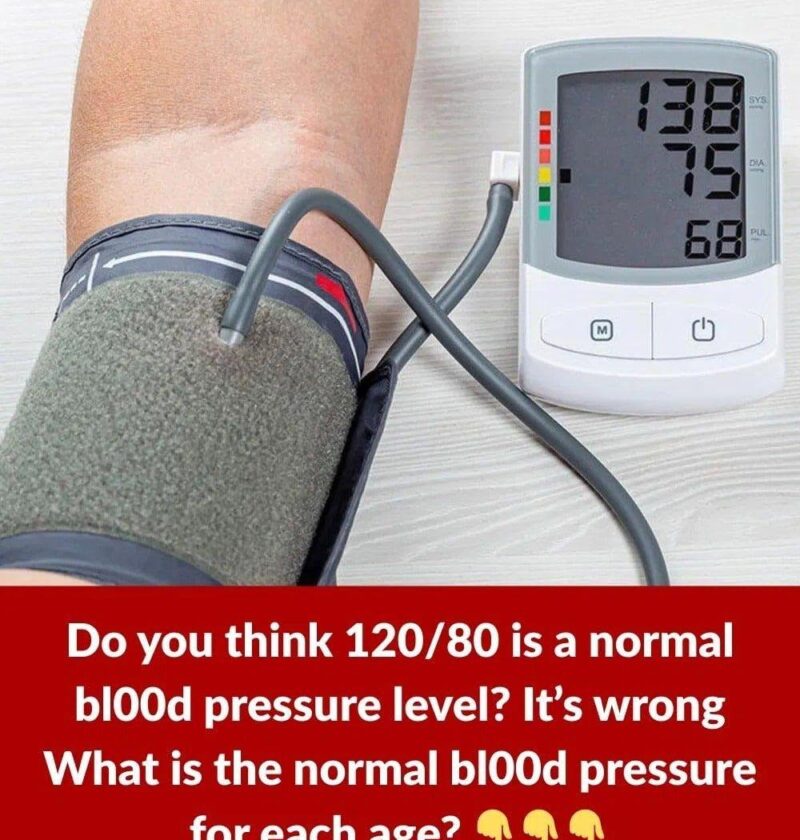
Blood pressure does not have a different normal value for each age group. For most adults, the same general targets apply regardless of age.
Normal Blood Pressure for Adults
| Category | Systolic (Top Number) | Diastolic (Bottom Number) |
|---|---|---|
| Normal | Less than 120 | Less than 80 |
| Elevated | 120–129 | Less than 80 |
| High Blood Pressure (Stage 1) | 130–139 | 80–89 |
| High Blood Pressure (Stage 2) | 140 or higher | 90 or higher |
| Hypertensive Crisis | 180 or higher | 120 or higher |
A reading is written like 120/80 mmHg (“120 over 80”).
Typical Blood Pressure by Age
While “normal” remains under 120/80, average blood pressure tends to rise somewhat with age:
| Age Group | Typical Healthy Range |
|---|---|
| Children | Varies by age, sex, and height |
| Teens (13–17) | Around 110–120 / 65–80 |
| 18–39 years | Around 110–120 / 70–80 |
| 40–59 years | Around 115–130 / 70–85 |
| 60+ years | Around 120–140 / 70–90 |
When to See a Doctor
- Repeated readings of 130/80 or higher
- Readings above 180/120 require urgent medical attention, especially if accompanied by symptoms such as chest pain, shortness of breath, severe headache, confusion, or vision changes.
Tips for Accurate Home Readings
- Rest quietly for 5 minutes before measuring.
- Sit with your back supported and feet flat on the floor.
- Avoid caffeine, smoking, and exercise for 30 minutes beforehand.
- Take 2–3 readings and average them.
If you tell me your age and your blood pressure reading, I can help you understand what it means.