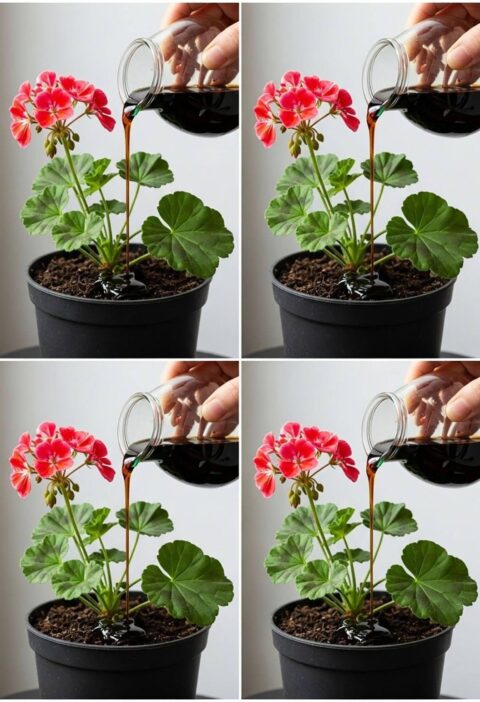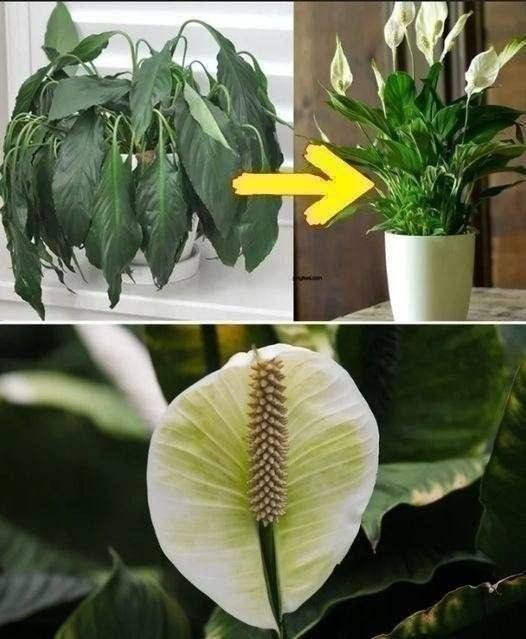
Putting a tablespoon (or any spoon) on a houseplant is a common “viral experiment” idea, but it doesn’t actually trigger any meaningful biological change in the plant.
Here’s what you can realistically expect:
If you just place a clean metal tablespoon on the soil or leaves, nothing special happens to the plant’s growth, health, or behavior. Plants don’t respond to metal objects in a way that produces fertilizing, protective, or “energy” effects. So the idea that it improves growth, repels pests, or changes the plant’s “vibe” is not supported by plant science.
You might notice a few minor, indirect effects depending on how it’s placed. If it’s sitting on leaves, it could block a small amount of sunlight on that spot, but that’s negligible unless you cover a lot of foliage. If it’s left on moist soil, it could slightly alter surface drying underneath it by trapping humidity, again only in a very small area. A metal spoon can also get warm in direct sunlight, but in typical indoor conditions that effect is minimal.
The only real downside is practical: it can collect dust, drip residue onto leaves, or slightly interfere with watering or airflow if it’s awkwardly placed. In rare cases, if the spoon is rusty or dirty, it could introduce contaminants to the soil surface.
So overall: it’s harmless in most cases, but also basically pointless from a plant-care perspective. If you’re trying to improve plant health, things like proper light, watering schedule, soil quality, and occasional fertilizer matter infinitely more than objects placed on or near the plant.
If you want, tell me why you heard about the tablespoon idea—I can break down the exact claim behind it and whether there’s any real science hiding in it.