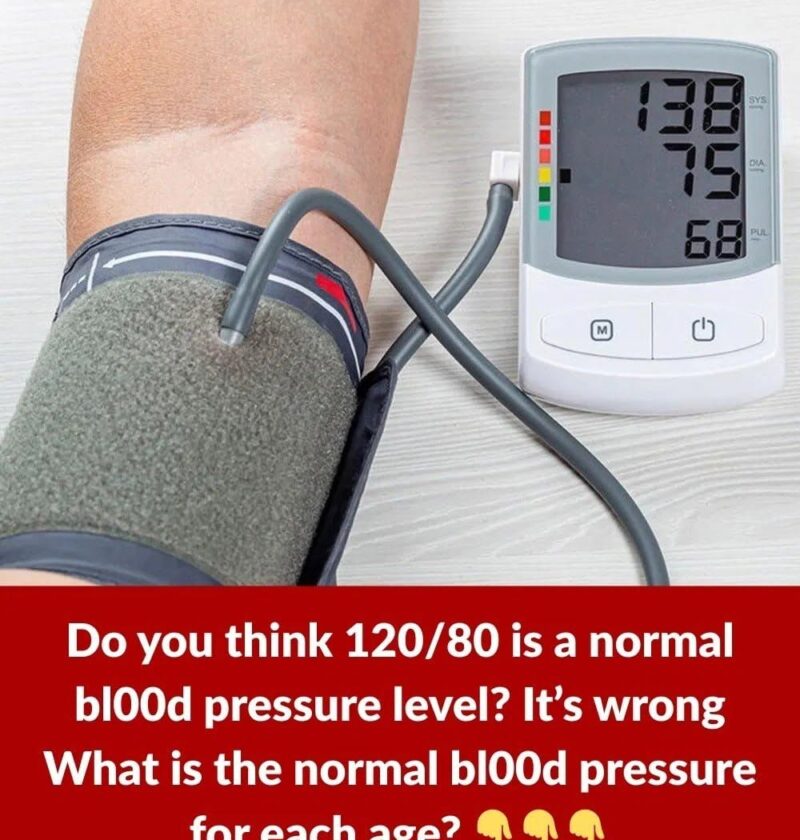
A common misconception is that there is a different “normal” blood pressure for every age. Modern medical guidelines generally do not use separate normal ranges for adults based solely on age.
Normal blood pressure for most adults
| Category | Systolic (top number) | Diastolic (bottom number) |
|---|---|---|
| Normal | Less than 120 | Less than 80 |
| Elevated | 120–129 | Less than 80 |
| High blood pressure (Stage 1) | 130–139 | 80–89 |
| High blood pressure (Stage 2) | 140 or higher | 90 or higher |
Blood pressure is measured in mmHg (millimeters of mercury).
What about older adults?
It’s true that blood pressure tends to rise with age due to stiffening arteries. However, that doesn’t mean a higher pressure automatically becomes “normal” or ideal.
For example:
- A healthy 70-year-old with a blood pressure of 118/76 mmHg may be perfectly normal.
- A reading of 150/90 mmHg is generally considered high blood pressure, regardless of age, though treatment decisions may vary depending on overall health.
Children and teenagers
Normal blood pressure in children is different because it depends on:
- Age
- Sex
- Height
Pediatric blood pressure is assessed using specialized growth-based charts rather than a single adult cutoff.
Important tips when checking blood pressure
- Rest quietly for 5 minutes before measuring.
- Sit with your back supported and feet flat on the floor.
- Avoid caffeine, smoking, or exercise for about 30 minutes beforehand.
- Take multiple readings on different days rather than relying on a single measurement.
When to seek medical advice
If your readings are repeatedly:
- 130/80 mmHg or higher, discuss them with a healthcare professional.
- 180/120 mmHg or higher, especially with symptoms such as chest pain, shortness of breath, severe headache, or neurological symptoms, seek urgent medical care.
If you’d like, tell me your age and a recent blood pressure reading, and I can help interpret it.