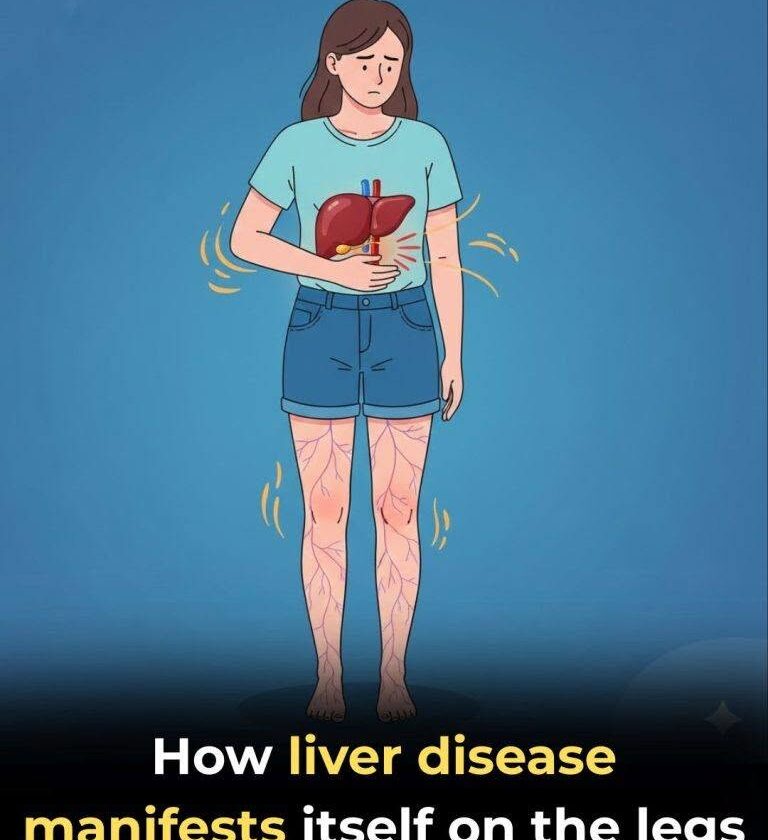
Headlines like “When Your Legs Are Crying for Help: 5 Important Things to Watch For” are usually designed to sound alarming. In reality, leg symptoms can range from harmless (like muscle fatigue) to signs of something that needs medical attention.
Here are 5 important leg warning signs doctors actually pay attention to:
1. Persistent pain or cramping when walking
This can sometimes indicate reduced blood flow to the legs, especially if it improves with rest. A condition often linked to this is peripheral artery disease, related to Peripheral Artery Disease.
2. Swelling in one leg (especially sudden)
One-sided swelling, warmth, or pain may signal a blood clot, known as deep vein thrombosis. This is a medical emergency risk factor for pulmonary embolism.
3. Numbness or tingling that doesn’t go away
Ongoing “pins and needles” can suggest nerve issues such as:
- diabetes-related nerve damage
- nerve compression in the spine or leg
- vitamin deficiencies
4. Weakness or difficulty lifting the foot
This may indicate nerve or muscle problems. If sudden, it can also point to neurological issues that require urgent evaluation.
5. Non-healing wounds or color changes
Slow-healing sores, dark discoloration, or very pale/cold feet can suggest circulation problems, including advanced peripheral artery disease or diabetes-related complications.
When it’s less concerning
Leg discomfort is often caused by:
- overuse or exercise
- dehydration or electrolyte imbalance
- minor muscle strain
- prolonged standing or sitting
When to seek urgent care
Get medical help quickly if you notice:
- sudden swelling in one leg
- severe pain with redness or warmth
- sudden inability to move or bear weight
- chest pain or shortness of breath (possible clot complication)
Bottom line
Most “leg warning sign” articles exaggerate, but real conditions like Peripheral Artery Disease or blood clots can present early in subtle ways. The key is pattern + persistence + sudden change, not isolated mild discomfort.
If you want, I can help you sort normal leg pain vs dangerous symptoms based on what you’re experiencing.