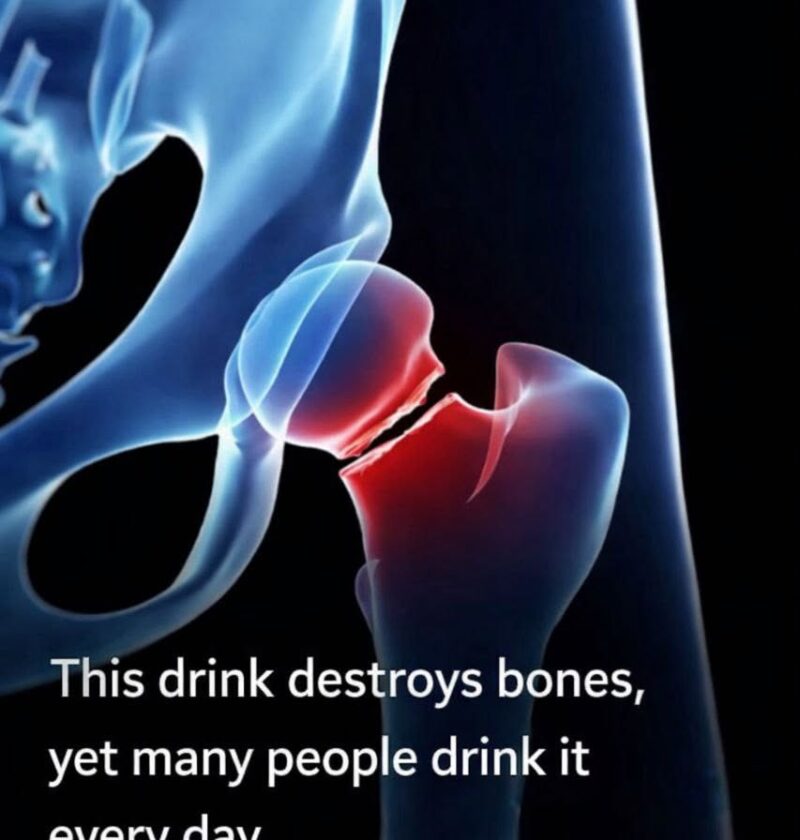
Health experts generally point to these five types of drinks as the most concerning for bone health when consumed in excess:
- Sugary sodas (especially colas)
- Regular consumption has been associated with lower bone mineral density and a higher risk of fractures.
- Colas often contain phosphoric acid, and high sugar intake may increase calcium loss and negatively affect vitamin D status. (GoodRx)
- Alcoholic beverages
- Heavy alcohol use can interfere with calcium absorption, reduce vitamin D production, and contribute to bone loss over time.
- Excessive drinking is a well-established risk factor for osteoporosis. (GoodRx)
- Energy drinks
- Many energy drinks are high in caffeine and sugar, a combination that may increase calcium loss and negatively affect bone density when consumed frequently. (Cleveland Clinic)
- Excessive coffee and other highly caffeinated drinks
- Moderate coffee intake is generally considered safe, but very high caffeine consumption may slightly reduce calcium absorption and increase calcium excretion, particularly if dietary calcium intake is low. (Cleveland Clinic)
- Sugar-sweetened beverages (sweet teas, fruit drinks, sports drinks, and similar beverages)
- High sugar intake has been linked to increased calcium loss and poorer bone health outcomes.
- These drinks can also displace more nutritious choices such as milk or fortified beverages. (GoodRx)
Better choices for bone health
Experts commonly recommend:
- Water
- Milk or fortified plant-based milk
- Unsweetened tea (which may even have some bone-health benefits)
- Calcium- and vitamin D-fortified beverages (GoodRx)
It’s important to note that no single drink will make or break your bone health. Adequate calcium and vitamin D intake, regular weight-bearing exercise, avoiding smoking, and limiting excessive alcohol are all major factors in maintaining strong bones. (Cleveland Clinic)