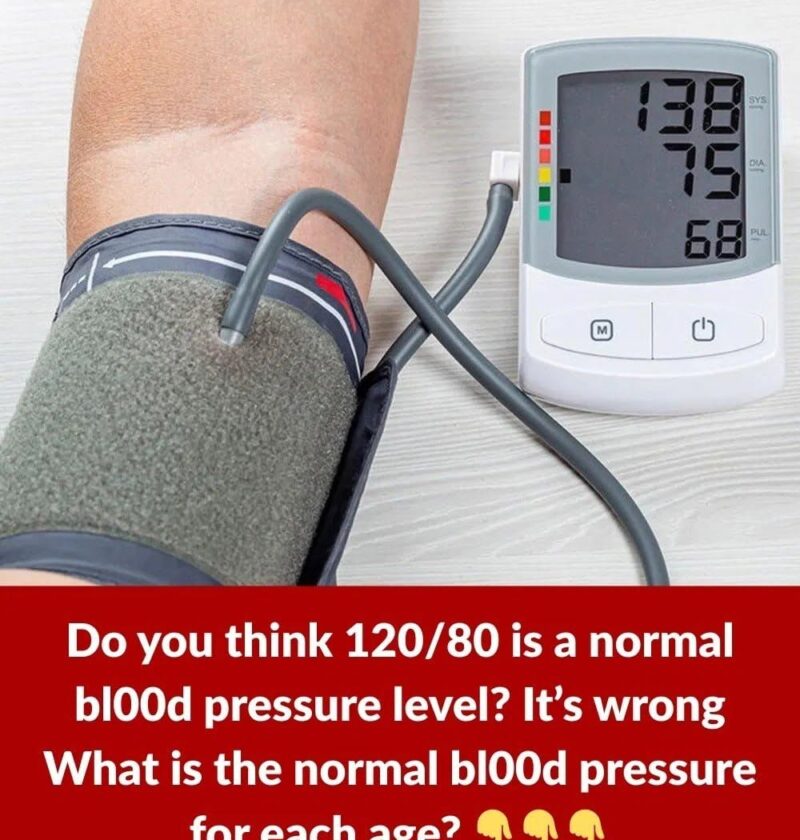
There’s a common misconception that “normal blood pressure changes a lot by age.” In modern medical guidelines, the ideal target is mostly the same for adults, with only slight variation for children and older adults.
✅ Normal Blood Pressure (Adults)
For most adults, regardless of age:
- Normal: around <120 / <80 mmHg
- Elevated: 120–129 / <80
- High blood pressure (Stage 1): 130–139 / 80–89
- High blood pressure (Stage 2): ≥140 / ≥90
- Emergency: ≥180 / ≥120 (needs urgent care)
This is based on major guidelines like the American Heart Association.
👶 Children & Teens (varies by height/age)
Blood pressure in kids is not a single number—it depends on age, height, and sex.
But roughly:
- Newborns: ~60–90 / 30–60
- Toddlers (1–5): ~80–110 / 50–80
- Older children: gradually approaches adult levels
Doctors use percentile charts rather than fixed numbers.
👴 Older Adults
A big myth: “Older people should have higher BP.”
In reality:
- Target is still generally <130/80 if tolerated
- Some doctors accept slightly higher systolic (like 130–139) in frail elderly patients to avoid dizziness or falls
But:
- 140/90 is not considered “normal aging” anymore
- It still increases risk of stroke and heart disease
⚠️ Key takeaway
- There is no truly “safe high blood pressure by age”
- Healthy adults should aim close to 120/80
- Age may affect treatment goals, but not the definition of normal
If you want, I can also show:
- “Normal vs dangerous symptoms of high BP”
- Or “how to naturally lower blood pressure in 7 days”